
Navigating the Complexities of Motorcycle Accident Injury Claims: A Complete Guide

Motorcycle accidents can result in severe injuries, emotional trauma, and significant financial burdens for the victims and their families. Navigating the complexities of motorcycle accident injury claims can be challenging, especially when dealing with the unique aspects and misconceptions surrounding these cases. In this comprehensive guide, we will dive into the critical elements of motorcycle accident injury claims, including establishing liability, potential compensation, and the benefits of employing our attorney referral service to advocate for your rights and expertly guide you through the legal process. Our attorney referral service is dedicated to connecting you with skilled legal professionals experienced in handling motorcycle accident injury claims. By gaining insights into these legal matters and utilizing the support of our proficient attorney referral service, you can better understand the intricacies of the legal process, protect your rights, and strive for the maximum compensation you deserve for your injuries and losses. 1. Determining Fault in Motorcycle Accidents Establishing liability in motorcycle accident cases is critical, as it directly affects your ability to recover compensation for your injuries and damages. Various factors can contribute to motorcycle accidents, and determining fault requires a thorough investigation of the incident. Potential causes of motorcycle accidents include the following: Reckless or aggressive driving by other motorists Distracted driving, such as texting or using a phone while driving Failure by other drivers to adequately check blind spots before changing lanes Poorly maintained roadways or hazardous road conditions While riders are sometimes perceived to be at fault due to misconceptions about motorcyclists’ behavior, this bias can be countered by gathering strong evidence, such as police reports, witness statements, and accident reconstructions, to support your claim and establish liability. 2. Potential Compensation for Motorcycle Accident Victims Victims of motorcycle accidents may be entitled to compensation for various damages, including the following: Medical expenses, both present and future Lost wages and loss of earning capacity Pain and suffering Emotional distress Property damage In some cases, you may also be eligible for additional damages, such as punitive damages, which are awarded in instances of extreme negligence or malicious behavior by the at-fault party. An experienced attorney can help assess your case’s specific circumstances and develop a comprehensive claim to pursue the maximum compensation you deserve for your injuries and losses. 3. Unique Aspects of Motorcycle Accident Claims Motorcycle accident claims often involve unique challenges and considerations requiring the expertise of a knowledgeable attorney. Some specific factors to consider include the following: Severe injuries: Due to the nature of motorcycle accidents, injuries tend to be more severe, often resulting in higher medical expenses and potential long-term care needs. A skilled attorney can help document these needs, negotiating for full and fair compensation. Helmet laws and comparative negligence: Depending on your state’s helmet laws and comparative negligence rules, not wearing a helmet may impact your claim’s outcome. A knowledgeable attorney can help you understand the implications of these laws and devise a strategy to minimize their impact on your case. Bias against motorcyclists: Unfortunately, motorcyclists can be subject to negative stereotypes, which may affect your claim. Partnering with an experienced attorney will ensure that your rights are protected and that your case is presented fairly, countering any biases that may arise. 4. The Importance of Working with an Experienced Attorney Partnering with an experienced attorney is crucial in navigating the complexities of motorcycle accident claims. They can assist and guide you through each step of the legal process while advocating for your best interests. Key benefits of working with a skilled attorney include the following: In-depth knowledge of laws and regulations: A knowledgeable attorney is well-versed in your state’s specific laws and regulations governing motorcycle accidents, tailoring an effective legal strategy based on this expertise. Comprehensive case assessment: Skilled attorneys can evaluate your claim, providing valuable insights into the potential strategies, strengths, and weaknesses of your case. Strong negotiation skills: Experienced attorneys are skilled at negotiating with insurance companies for full and fair compensation while ensuring you avoid potential pitfalls that could undermine your claim. Litigation expertise: If your case proceeds to court, your attorney will use their litigation experience to present a compelling case, advocating for the maximum amount due for your injuries and losses. 5. Importance of Seeking Medical Attention Immediately After a Motorcycle Accident One crucial aspect often overlooked in the aftermath of a motorcycle accident is seeking immediate medical attention, regardless of the perceived severity of injuries. Even seemingly minor injuries can escalate if left untreated, potentially leading to long-term complications. Here are key reasons why prompt medical attention is essential: Early diagnosis and treatment: Some injuries, such as internal bleeding or traumatic brain injuries, may not manifest symptoms immediately but can have severe consequences if not promptly diagnosed and treated. Seeking medical care immediately after an accident allows healthcare professionals to assess and address potential injuries before they worsen. Documentation of injuries: Medical records serve as critical evidence when pursuing a motorcycle accident injury claim. By seeking medical attention promptly, you establish a clear link between the accident and your injuries, strengthening your case for compensation. Preventing complications: Prompt medical intervention can prevent minor injuries from developing into more serious complications. Timely treatment can mitigate the risk of infections, reduce recovery time, and improve overall outcomes. Protecting your health and well-being: Your health should always be the top priority following a motorcycle accident. Even if you feel relatively unscathed, adrenaline and shock can mask pain and symptoms. A thorough medical evaluation ensures that any underlying injuries are identified and treated promptly, safeguarding your long-term health and well-being. Conclusion Understanding the complexities of motorcycle accident injury claims and the unique aspects that may arise in these cases is crucial to the effective navigation of the legal process and the pursuit of maximum compensation for your injuries and losses. Armed with this knowledge and the support of our attorney referral service, you can confidently advocate for your rights and work toward the best possible outcome for your case. Don’t tackle the
Unraveling the Intricacies of Truck Accident Injury Claims: A Comprehensive Guide
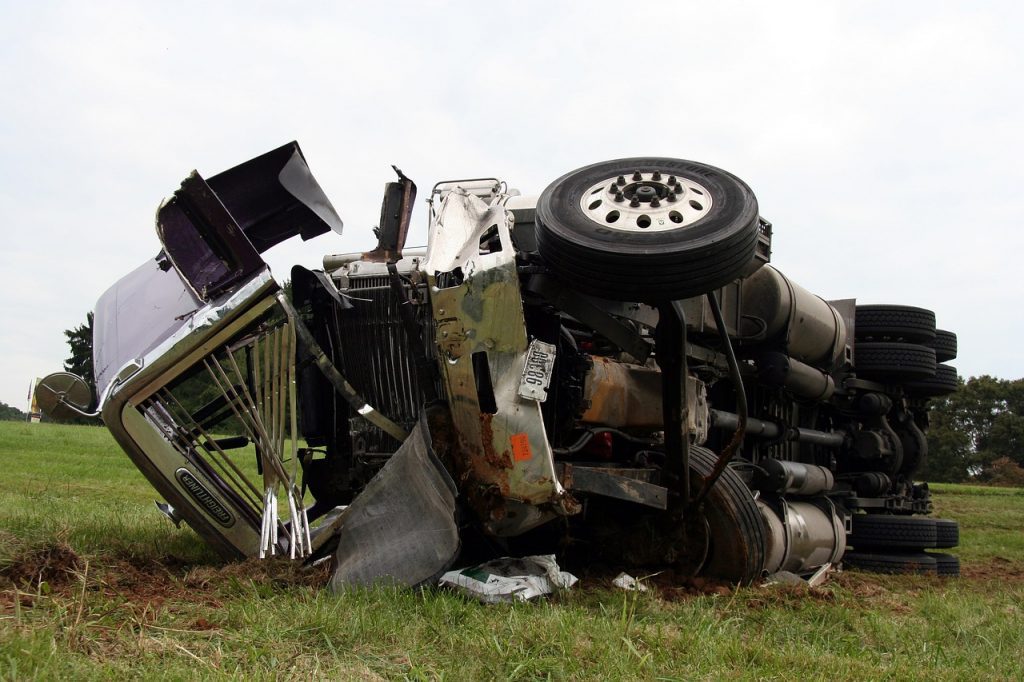
Truck accidents can result in catastrophic injuries, emotional suffering, and substantial financial burdens for the victims and their families. Understanding the intricacies of truck accident injury claims is crucial in advocating for your rights and seeking the compensation you deserve. In this comprehensive guide, we will explore the key elements of truck accident injury claims, including determining liability, potential compensation, and the importance of relying on our attorney referral service to protect your rights and expertly guide you through the legal process. Our attorney referral service is committed to connecting you with highly skilled legal professionals experienced in handling truck accident injury claims. By obtaining insights into these legal matters and leveraging the support of our accomplished attorney referral service, you can better understand the complexities of the legal process, protect your rights, and strive for the maximum compensation you deserve for your injuries and losses. 1. Determining Fault in Truck Accidents Establishing fault in truck accident cases can be more complex than other vehicle accidents due to the multiple parties and factors involved. Responsibility for a truck accident may lie with the following: The truck driver: Reckless driving, fatigue, or intoxication could result in the driver being held liable for the accident. The trucking company: Failure to enforce safety regulations, negligence in hiring or training drivers, or inadequate vehicle maintenance could lead to the company being held accountable. The truck manufacturer or parts manufacturer: Defective parts, design flaws, or inadequate safety features could result in the manufacturer being held responsible. Other entities: Road maintenance or construction companies could be held liable if poor road conditions or work zones contributed to a truck accident. To determine fault, it’s essential to gather strong evidence like police reports, eyewitness accounts, and expert testimony, and examine factors such as Federal Motor Carrier Safety Administration (FMCSA) regulations compliance. 2. Navigating Truck Accident Regulations and Compliance The FMCSA establishes regulations governing the trucking industry, and these rules can play a significant role in your truck accident injury claim: Hours of Service (HOS) regulations: These rules control how long a truck driver can operate without taking a break, aiming to prevent driver fatigue-related accidents. Vehicle maintenance and inspection standards: Ensuring that trucks meet specific safety standards and undergo regular inspections to prevent accidents caused by equipment malfunctions. Driver qualifications and training requirements: Establishing qualifications that drivers must meet and promoting adequate training for the safe operation of commercial vehicles. A knowledgeable attorney can help ensure compliance with these regulations and identify any violations that could strengthen your claim. 3. Potential Compensation for Truck Accident Victims Victims of truck accidents may be entitled to compensation for various damages, such as the following: Medical expenses: Including hospital bills, rehabilitation, and continuing care costs Lost income: Covering lost wages and potential loss of future earning capacity Pain and suffering: Addressing physical pain and emotional anguish resulting from the accident Property damage: Including repair or replacement costs for damaged vehicles and other personal property In some cases, particularly egregious behavior by the responsible party may lead to additional compensation, such as punitive damages. An experienced attorney can help assess your case and develop a claim that seeks the maximum compensation you deserve for your injuries and losses. 4. The Benefits of Working with an Experienced Attorney Navigating the complexities of truck accident injury claims demands the support of a seasoned attorney. They can assist you throughout the legal process while advocating for your best interests. Key benefits of working with a skilled attorney include the following: Thorough knowledge of regulations and laws: An attorney experienced in truck accident cases understands the specific laws governing commercial vehicles and the trucking industry, ensuring your claim addresses all relevant aspects. Comprehensive case evaluation: A seasoned attorney can assess your case’s strengths and weaknesses, offering valuable insights into potential strategies and outcomes. Strong negotiation skills: Skilled attorneys can effectively negotiate with insurance companies and other parties involved, striving to secure the best outcome on your behalf. Litigation expertise: If your case proceeds to trial, an attorney experienced in such cases can present a compelling argument in court, fighting for the maximum compensation you deserve. 5. Importance of Seeking Medical Attention Immediately After a Truck Accident Seeking medical attention promptly after a truck accident is paramount, even if injuries seem minor or non-existent at first. Several reasons underscore the significance of this immediate action: Hidden injuries: Some injuries, such as internal bleeding or traumatic brain injuries, may not manifest symptoms immediately but can have severe long-term consequences if left untreated. Legal documentation: Medical records serve as crucial evidence in establishing the extent of injuries and linking them to the accident. Delaying medical treatment could undermine the strength of your claim. Insurance requirements: Insurance companies often require timely medical treatment to consider injury claims valid. Failing to seek prompt medical attention may give insurers grounds to dispute or deny your claim. Preserving health and well-being: Prompt medical care not only addresses injuries but also mitigates the risk of complications and promotes faster recovery, improving overall health outcomes. Following the healthcare professionals’ advice and attending all necessary appointments can contribute to your recovery process and strengthen your case by demonstrating your commitment to healing. Conclusion Understanding the intricacies of truck accident injury claims and the unique aspects involved in these cases is essential for effectively navigating the legal process and pursuing the compensation you deserve for your injuries and losses. Armed with this knowledge and the support of our attorney referral service, you can confidently advocate for your rights and work toward the best possible outcome for your case. Don’t confront the hurdles of a truck accident claim by yourself. Contact Car Accident Help today and allow us to connect you with proficient personal injury accident lawyers who can aid you in comprehending your rights, maneuvering through the intricacies of the legal process, and obtaining the compensation you justly deserve.
How Comparative and Contributory Negligence Affect Car Accident Injury Claims

Navigating the process of filing a car accident injury claim can be complicated, particularly when multiple parties share responsibility for the accident. Understanding how comparative and contributory negligence affects your claim is crucial, as these legal doctrines can significantly impact the compensation you may receive for your injuries and losses. Our attorney referral service is devoted to connecting you with experienced legal professionals who are well-versed in comparative and contributory negligence laws. By gaining insights into these legal doctrines and enlisting the support of our skilled attorney referral service, you can effectively navigate the complexities of car accident injury claims, protect your rights, and maximize your compensation. In this article, we will discuss the differences between comparative and contributory negligence, how these doctrines function in various states, and the ways they can affect your car accident injury claim. This knowledge, coupled with the support of our dedicated attorney referral service, can help you better understand your options and make informed decisions in the pursuit of fair compensation for your injuries and damages. 1. Understanding Comparative Negligence Comparative negligence is a legal doctrine that aims to fairly distribute responsibility among parties involved in an accident based on their proportion of fault. Under this system, your compensation for damages may be reduced according to the percentage of blame assigned to you. There are two main types of comparative negligence: – Pure comparative negligence: In states that follow this system, you can recover damages even if you are found to be 99% at fault for the accident. Your percentage of fault will reduce your compensation. For instance, if you are awarded $100,000 in damages but found to be 30% at fault, you would receive $70,000. – Modified comparative negligence: In states adopting this approach, you can only recover damages if your percentage of fault falls below a certain threshold, typically 50% or 51%. Like pure comparative negligence, your compensation will be reduced by your proportion of fault. 2. Grasping the Concept of Contributory Negligence Contributory negligence is a more stringent legal doctrine that can completely bar you from recovering damages if you are found to be even partially at fault for the accident. Only a few states still follow this strict rule, and its harsh nature often leads to unfair outcomes for accident victims who may have contributed only minimally to the incident. Understanding whether your state follows a comparative or contributory negligence system is crucial to evaluating your potential for compensation and planning an effective legal strategy. 3. Determining Fault in Comparative and Contributory Negligence Cases One of the essential steps in car accident injury claims is determining the fault of each party involved. This process typically involves evaluating and weighing evidence such as police reports, witness statements, and accident reconstructions. In comparative negligence cases, percentages of blame will be assigned to all parties, while in contributory negligence cases, the focus is on determining whether the injured party was in any way responsible for the accident. Enlisting the help of an experienced attorney is vital in gathering evidence, determining fault, and navigating the complexities of your state’s negligence laws to protect your rights better and secure the compensation you deserve. 4. Effectively Presenting Your Case with Legal Assistance An experienced legal professional can provide invaluable assistance in presenting your case effectively and protecting your interests in light of comparative and contributory negligence laws. Some key benefits of working with an attorney include: – In-depth knowledge of your state’s negligence laws: An experienced attorney will be well-versed in your state’s specific negligence laws and can tailor an effective legal strategy that best positions you for success. – Expertise in evidence collection and case presentation: A skilled lawyer can gather necessary evidence, present it compellingly, and use their negotiation and litigation expertise to maximize your chances of receiving fair compensation. – Guided support throughout the claim process: An experienced attorney will not only provide valuable legal counsel but also guide you through each stage of the claims process, ensuring that you understand your options and make informed decisions at every step. Conclusion Understanding how comparative and contributory negligence systems affect car accident injury and claims is essential in evaluating your potential for compensation and developing an effective legal strategy. By familiarizing yourself with these legal doctrines—along with enlisting the assistance of our expert attorney referral service—you can navigate the complexities of car accident injury claims, protect your rights, and maximize your recovery. Don’t face the challenges of comparative and contributory negligence alone. Contact us today to connect with experienced legal professionals who can help you understand these complex legal concepts, guide you through the claims process, and secure the compensation you rightfully deserve. Work with the best car accident lawyers at Car Accident Help today!
Essential Steps to Protect Your Rights After a Car Accident: A Comprehensive Guide

In the aftermath of a car accident, the actions you take can significantly impact your ability to protect your rights and pursue fair compensation for your injuries and losses. It is crucial to be prepared and knowledgeable about the essential steps you should follow immediately after an accident. By doing so, you can ensure that you preserve critical evidence, comply with legal requirements, and lay the groundwork for a robust personal injury claim. In this guide, we will outline the critical steps to follow after a car accident to not only help safeguard your legal rights but also improve your chances of receiving fair compensation for your injuries and damages. We will discuss important tasks, such as gathering information at the accident scene, seeking prompt medical attention, reporting the accident, and consulting with an experienced attorney. We are committed to connecting you with skilled legal professionals who can assist and guide you through each essential step following a car accident. As you educate yourself on the crucial measures to take after an accident and enlist the support of our expert attorney referral service, you can be confident that your rights are protected and that you are well on the path to securing the compensation you need to rebuild your life. 1. Gathering Information at the Accident Scene Collecting crucial information at the scene of the accident is vital to preserving evidence and building a strong personal injury claim. After ensuring your safety and calling for emergency assistance if necessary, consider the following steps: – Exchange information: Obtain the name, contact information, insurance details, and driver’s license number of the other driver(s) involved. You should also note the make, model, and license plate number of the vehicles involved. – Speak with witnesses: Gather the names and contact information of any witnesses who saw the accident occur. Their testimony may prove invaluable in corroborating your account of the incident. – Document the scene: Take photographs and videos of the accident scene, focusing on vehicle damage, road conditions, traffic signals, and any visible injuries. This visual evidence can be instrumental in substantiating your claim. – Record your observations: Write down your recollections of the accident while they are fresh in your mind, including details on weather conditions, traffic patterns, and the events leading up to the collision. 2. Seeking Prompt Medical Attention Even if your injuries seem minor or nonexistent, it is essential to visit a healthcare professional for a thorough examination. Prompt medical attention can help: – Identify and treat injuries: Some injuries may not be immediately apparent, leading to more severe consequences if left undiagnosed and untreated. – Document your injuries: By seeking medical care, you create a record of your injuries, which is invaluable when pursuing compensation in a personal injury claim. – Establish causation: A prompt medical assessment helps to link your injuries to the car accident, reinforcing the connection between the incident and your damages. 3. Reporting the Accident Filing a report with your local law enforcement agency and your insurance company is an important step in protecting your rights following a car accident. – Comply with legal requirements: Most states have specific timeframes within which you must report a car accident. Filing a timely report helps ensure compliance with these requirements. – Preserve your insurance coverage: Informing your insurance company about the accident is essential to maintaining coverage under your policy. Delaying or neglecting this step may jeopardize your eligibility for compensation. – Create an official record: A detailed and accurate report of the accident helps establish an official record of the incident, providing valuable information to support your claim. 4. Consulting an Experienced Personal Injury Attorney Seeking the guidance of a skilled personal injury attorney is crucial to ensure the protection of your rights and interests following a car accident. An attorney can help you: – Understand your legal options: A knowledgeable attorney will inform you of the available avenues toward compensation and the potential outcomes of your case. – Navigate negotiation and litigation: Your attorney will represent you during settlement negotiations with the insurance company and can litigate on your behalf should your case proceed to trial. – Maximize your compensation: Partnering with a skilled lawyer increases your likelihood of receiving the maximum compensation for your injuries and losses, as they know how to effectively build and present your case. Conclusion Taking the right steps immediately after a car accident is essential to protect your legal rights and establish a strong foundation for your personal injury claim. By following these crucial measures, you can preserve the necessary evidence, comply with legal obligations, and improve your chances of obtaining the compensation you need to rebuild your life. Our attorney referral service is committed to connecting you with experienced legal professionals who can guide you through each stage of the process, from gathering documentation to negotiating with insurers and beyond. Reach out to us today to learn how our expert car accident attorney referral service can provide the support and resources you need to protect your rights after a car accident and secure the compensation you rightfully deserve.
Maximizing Your Compensation in a Personal Injury Claim: The Role of Expert Witnesses

When pursuing a personal injury claim following a car accident, building a strong and compelling case is imperative to maximize the compensation you receive. In many complex cases, the testimony of an expert witness can be a critical element in proving liability and establishing the true extent of your damages. By leveraging their specialized knowledge and skills, these experts provide credible and objective testimony to persuade insurance adjusters, judges, and jurors of the merits of your case and the compensation you rightfully deserve. In this article, we will delve into the various types of expert witnesses often called upon in personal injury cases and discuss the ways their testimony can enhance your claim. We will also explore identifying and selecting the right experts for your specific situation and how working with an experienced personal injury attorney can ensure the most effective utilization of these expert witnesses to bolster your case. Our attorney referral service is dedicated to connecting you with experienced legal professionals skilled in working with expert witnesses and adept at maximizing the compensation awarded in personal injury cases. By understanding the crucial role expert witnesses play in injury claims, as well as leveraging the resources and expertise of our attorney referral service, you can strengthen your case and improve the likelihood of successfully obtaining the compensation you need to rebuild your life after a car accident. 1. Types of Expert Witnesses in Personal Injury Cases There are several types of expert witnesses who can be instrumental in supporting your personal injury claim, depending on the specific circumstances of your case: – Medical Experts: These professionals can testify about the nature and extent of your injuries, the medical procedures required, and the long-term consequences of your injuries. They can also help establish the cause of your injuries and any future treatments you may need. – Accident Reconstruction Specialists: They analyze the accident scene, vehicle damage, and other relevant factors to create a detailed reconstruction of the event, providing valuable evidence to prove liability and help demonstrate how the accident occurred. – Economic and Financial Experts: These experts can provide an in-depth assessment of your financial losses, including lost wages, diminished earning capacity, and ongoing medical expenses, as well as illustrate the economic impact of your injuries on your future quality of life. – Vocational Rehabilitation Specialists: They can assess your capacity to return to work and determine the extent to which your injuries impact your ability to perform job-related tasks, supporting claims for lost earnings and future income loss. 2. Enhancing Your Personal Injury Claim with Expert Testimony Including expert witnesses in your claim can enhance its overall strength in several ways: – Strengthening Evidence: Expert testimony can reinforce the evidence supporting your claim, particularly in cases where the cause of the accident and the extent of injuries are in dispute. Experts can clarify complex matters and offer objective assessments, lending more credibility to your claim. – Establishing Causation: Demonstrating a direct link between the accident and your injuries can often be challenging. Expert witnesses, such as medical experts and accident reconstructionists, can help establish causation, enhancing your claim’s validity. – Quantifying Damages: Properly quantifying your damages is essential in maximizing the compensation you receive. Experts can provide in-depth assessments and well-supported projections of your financial losses and future expenses, ensuring you seek appropriate compensation for your injuries. 3. Identifying and Selecting the Right Expert Witnesses Finding and selecting the right experts for your specific case requires careful research and consideration: – Assess your case’s needs: Analyze the details of your case and identify the areas where expert testimony can provide the most value. Determine the types of experts you will need based on the disputed aspects of your case and the unique nuances it presents. – Seek qualified professionals: Look for experts who possess the necessary qualifications, experience, and expertise in their field and have a track record of providing reliable, objective testimony in personal injury cases. – Evaluate their communication skills: An expert witness must be able to convey complex information in a clear and concise manner that non-experts can understand. Assess your potential expert’s ability to communicate effectively in a courtroom setting before choosing them to testify in your case. 4. The Importance of Personal Injury Attorney Collaboration Partnering with an experienced personal injury attorney is essential in the successful utilization of expert witnesses: – Identifying the right experts: Your attorney can leverage their professional network and experience to help identify the most suitable experts for your specific case. – Coordinating expert testimony: It is crucial that your attorney and expert witnesses work closely to ensure they present a cohesive and persuasive case on your behalf. – Preparing for trial: Your attorney can help your expert witnesses prepare for trial by familiarizing them with the case’s key details and pre-empting potential lines of cross-examination. Conclusion Expert witnesses play a vital role in strengthening your personal injury claim, providing credible and objective testimony that may be instrumental in maximizing the compensation you receive. Securing the collaboration of the right experts for your case hinges on thoroughly understanding your claim’s needs, and enlisting the assistance of an experienced personal injury attorney can ensure the most effective use of expert testimony to achieve a successful outcome. Car Accident Help’s attorney referral service is dedicated to connecting you with skilled legal professionals adept at working with expert witnesses and maximizing the compensation awarded in personal injury cases. Reach out to us today to learn how our personal injury accident lawyer referral service can provide the guidance and support you need to successfully navigate your personal injury claim and secure the compensation you deserve.
Unraveling the Role of Comparative Negligence in Car Accident Claims: A Guide

Car accident cases often involve multiple parties, complex situations, and diverse factors that contribute to the determining of fault and liability. In many instances, multiple drivers share responsibility for the accident to some extent, making the process of assigning fault and securing compensation more complicated. Enter the concept of comparative negligence – a legal principle that plays a critical role in the allocation of compensation in car accident cases when more than one party is deemed at fault. Comparative negligence, also known as comparative fault, refers to the practice of apportioning responsibility for an accident among the involved parties in proportion to their degree of culpability. This concept allows injured parties to recover compensation even if they are partially responsible for the accident, albeit with reductions relative to their level of fault. In this comprehensive guide, we will delve into the intricacies of comparative negligence and how it affects car accident claims. We will discuss the various types of comparative negligence systems implemented across different states, the process of determining fault percentages, and how those percentages impact the amount of compensation awarded. Additionally, we will highlight the importance of partnering with a skilled personal injury attorney to navigate the complex legal landscape of comparative negligence and maximize the compensation you deserve even when you are found to be partially at fault. 1. Types of Comparative Negligence Systems Comparative negligence systems vary across different states, with each jurisdiction adopting one of the following approaches when apportioning fault in car accident cases: – Pure Comparative Negligence: Under this system, an injured party can seek compensation from other at-fault parties, regardless of their percentage of fault, with the award amount reduced by their own share of responsibility. For instance, if you are found to be 70% responsible for the accident, you can still recover 30% of your damages from the other party. – Modified Comparative Negligence (50% Rule): In states following this model, you can recover compensation if your degree of fault is less than or equal to 50%. However, if you are found to be more than 50% at fault, you are not entitled to recover damages from other parties. – Modified Comparative Negligence (51% Rule): Under this approach, you can seek compensation as long as your level of fault is less than 51%. If you are deemed to be 51% or more responsible for the accident, you cannot recover damages. Understanding the comparative negligence system applicable in your state is crucial to ascertain your eligibility for compensation and the potential impact of your own fault on the amount awarded. 2. Determining Fault Percentages The process of determining fault percentages in car accident claims typically involves a thorough investigation conducted by various parties, including law enforcement, insurance companies, and legal representatives. This investigation may involve analyzing the accident scene, examining vehicle damage, reviewing police reports, studying accident reconstruction findings, and consulting expert witnesses. Based on the evidence gathered, fault percentages will be assigned to each party involved in the accident. In some cases, insurance adjusters may attempt to assign a higher degree of fault to you in order to reduce their payout. Consulting with an experienced attorney can help you challenge such attempts and ensure that the fault percentages assigned are fair and accurate. 3. Impact of Comparative Negligence on Compensation The comparative negligence system directly affects the amount of compensation an injured party can recover in a car accident claim. Once fault percentages are assigned, each party’s compensation will be reduced in proportion to their respective share of responsibility. For example, if you are found to be 30% at fault and your total damages are $100,000, you would be entitled to receive $70,000 in compensation. It is important to note that in some states, your ability to recover compensation may be forfeited or significantly reduced if your degree of fault is above a certain threshold, as outlined in the modified comparative negligence systems discussed earlier. 4. The Importance of Legal Representation in Comparative Negligence Cases Seeking the assistance of a knowledgeable personal injury attorney is crucial in car accident cases involving comparative negligence for the following reasons: – Navigating complex legal systems: A skilled attorney will help you comprehend the specific comparative negligence system employed in your state and guide you through the legal process accordingly. – Challenging fault determinations: Your attorney will scrutinize the evidence and fault percentages assigned by insurance adjusters, ensuring that you are not unfairly held responsible for a greater share of fault than warranted. – Maximizing compensation: By leveraging their expertise and resources, your attorney will vigorously pursue the maximum compensation available to you, even when you are partially at fault for the accident. Final Thoughts Navigating the complex legal terrain of comparative negligence in car accident claims can be a daunting task. By understanding the intricacies of the different comparative negligence systems, determining fault percentages, and the impact of comparative negligence on the compensation awarded, you are better equipped to protect your rights and interests. Partnering with a skilled personal injury attorney is crucial in ensuring a favorable outcome and securing the compensation you rightfully deserve, even when you are partially at fault. Our personal injury attorney referral service at Car Accident Help is here to connect you with experienced legal professionals who are well-versed in handling car accident claims involving comparative negligence. Reach out to us today to learn more about how our attorney referral service can help you successfully tackle the complexities of comparative negligence, maximize your compensation, and regain control of your life after a car accident.
The Importance of Proper Documentation in Personal Injury Claims: A Guide

Navigating the complexities of a personal injury claim following a car accident can be a daunting task. One of the most critical components of building a strong and persuasive case is proper documentation. This includes presenting clear and comprehensive evidence to substantiate your claim, demonstrate the extent of your damages, and support your demand for compensation. A well-documented claim also ensures that you are prepared for any challenges raised by insurance adjusters, opposing attorneys, or the court. In this comprehensive guide, we will explore the importance of proper documentation in personal injury claims and outline the key categories of documentation you will need to collect and preserve to bolster your case. This information is essential whether you are negotiating with an insurance company or preparing for trial in pursuit of fair compensation for your injuries and losses. Our attorney referral service is here to connect you with experienced legal professionals who are well-versed in properly handling documentation in personal injury claims. Equipped with this valuable information and with the support of our expert attorney referral service, you will be better prepared to navigate every stage of the personal injury claim process, maximize your compensation, and take control of your life after a traumatic car accident. 1. Accident and Police Reports Accident and police reports serve as fundamental records of the incident and provide crucial details that can help substantiate your personal injury claim. These documents typically include: – The date, time, and location of the accident – The identities of the parties and witnesses involved – The nature and extent of any property damage, injuries, or casualties – Diagrams and/or photos of the accident scene – Any traffic citations issued or observations regarding potential violations of traffic laws It is vital to obtain a copy of the police report filed for your accident and review it carefully for accuracy, considering any necessary amendments or updates. 2. Medical Records and Bills Medical records and bills provide essential evidence of the injuries you sustained in the accident, the treatment you received, and the costs you incurred as a result. Proper medical documentation should include: – Emergency room records and hospitalization details – Diagnostic reports, such as X-rays, CT scans, and MRIs – Notes and recommendations from treating physicians – Documentation of any surgeries, treatments, or rehabilitation services – Detailed bills outlining the costs of medical and therapy services Maintaining accurate and organized medical documentation will help establish the validity of your claim and support the compensation sought for your injuries. 3. Employment and Wage Records Lost wages and diminished earning capacity are significant components of damages in personal injury claims. To demonstrate these losses, you will need thorough documentation of your employment and wage history, including: – Pay stubs, W-2 forms, or income tax returns from before and after the accident – A letter from your employer confirming your pre-accident job and wage details, as well as any changes or adjustments made after the incident – Records of time taken off work due to your injuries – Documentation regarding any job accommodations provided or required as a result of the accident 4. Photographic and Video Evidence Photographic and video evidence can be invaluable in providing visual proof of the accident scene, vehicle damage, and injuries sustained. Be sure to collect and preserve: – Photos of the accident scene, including road conditions, traffic signals, and signage – Images of the damage to your vehicle and any other involved vehicles – Photos of your injuries, both immediately after the accident and throughout the healing process – Surveillance or dashcam footage, if available Properly preserving visual evidence can offer compelling support for your claim and help establish fault, causation, and damages. Final Thoughts Assembling and maintaining proper documentation is critical to the success of your personal injury claim, as it provides the foundation upon which your compensation case is built. By understanding the types of documentation required and diligently collecting and preserving this information, you can strengthen your case and improve your chances of receiving the compensation you deserve. However, navigating the complexities of personal injury claims can be overwhelming, and seeking the support of an experienced personal injury attorney is crucial to ensuring the most effective use of documentation and maximizing your compensation. Our attorney referral service is committed to connecting you with skilled legal professionals who can guide you through every step of the documentation process and support you in navigating your personal injury claim. Reach out to us at Car Accident Help today to learn how our expert attorney referral service can help you take control of your life after a car accident and obtain the compensation you rightfully deserve.
The Benefits of Mediation in Resolving Car Accident Settlement Disputes

Although pursuing a lawsuit can sometimes be unavoidable in car accident cases, mediation offers an alternative method to resolve disputes and reach amicable settlements outside of the courtroom. Mediation is a voluntary, confidential process where a neutral third party, known as a mediator, assists both parties in reaching a mutually acceptable resolution. At Car Accident Help, our goal is to provide car accident victims with the information and resources necessary to make informed decisions about their legal journey – including exploring the potential benefits of mediation in car accident settlement negotiations. The mediation process provides an opportunity for all parties involved to share their perspectives and work collaboratively to reach a settlement agreement without engaging in a potentially costly and time-consuming trial. Mediation can be advantageous in car accident cases, as it allows for a more flexible, speedier, and cost-effective resolution compared to litigation. Additionally, mediation can help preserve relationships between the parties, while offering them more control over the outcome of their dispute. In this comprehensive guide, Car Accident Help will delve into the mediation process in car accident settlement negotiations, including the role of the mediator, the benefits of choosing mediation, and how collaborating with an experienced personal injury attorney can contribute to a favorable outcome. With our valuable resources, trusted attorney referral service, and extensive knowledge base, Car Accident Help is committed to empowering car accident victims in navigating their legal options and pursuing the compensation they rightfully deserve. Using Mediation in Car Accident Settlement Negotiations In an effort to seek fair compensation, car accident victims may turn to mediation as an alternative dispute resolution method to resolve their case outside of the courtroom. In this guide, we will explore the mediation process, its benefits, and how working with an experienced personal injury attorney can contribute to a favorable outcome in car accident settlement negotiations. With the resources and insights offered by Car Accident Help, you can make informed decisions about your legal journey and confidently pursue the compensation you rightfully deserve. 1.The Mediation Process: An Overview The mediation process is an alternative form of dispute resolution where both parties engage in a voluntary, confidential, and collaborative effort to reach a mutually acceptable settlement agreement. Key elements of the mediation process include: – Participation of a neutral mediator: A mediator facilitates communication, clarifies issues, and ensures both parties have an opportunity to express their concerns and needs – Confidentiality: Mediation is a private and confidential process, meaning information shared during mediation generally cannot be used in court if the case proceeds to trial – Voluntariness: Both parties must agree to participate in mediation and can discontinue the process at any time if they feel it is not productive or beneficial 2. Benefits of Choosing Mediation in Car Accident Settlement Negotiations Opting for mediation in resolving car accident disputes can provide several advantages over more traditional litigation, making it an appealing choice for many car accident victims. Some benefits of mediation include: – Cost savings: Mediation can be more cost-effective than traditional litigation, as it typically involves less time, fewer legal fees, and reduced expenses – Time efficiency: The mediation process is generally faster than going to trial, allowing parties to reach a resolution more quickly and potentially enabling car accident victims to receive compensation sooner – Flexibility: Mediation provides parties with flexibility in scheduling and negotiating settlement terms, giving them more control over the outcome of their dispute – Preservation of relationships: The collaborative nature of mediation can help preserve relationships between all parties involved, allowing for a more amicable resolution 3. The Role of the Mediator in Car Accident Settlement Negotiations The mediator plays a vital role in the car accident settlement negotiation process by fostering open communication and facilitating productive discussions between disputing parties. Key responsibilities of a mediator include: – Facilitating communication: The mediator encourages open dialogue, ensuring that all parties have an opportunity to express their concerns, interests, and needs – Clarifying issues: The mediator helps to identify and clarify the main issues in dispute, enabling parties to focus on resolving the most critical aspects of their case – Guiding negotiation: The mediator assists the parties in exploring potential solutions and working towards a mutually acceptable resolution, while remaining neutral and impartial 4. Collaborating with a Personal Injury Attorney in Mediation Working with a knowledgeable personal injury attorney during the mediation process can significantly impact the outcome of your car accident settlement negotiations, as they can provide valuable guidance, support, and representation. Benefits of collaborating with a personal injury attorney in mediation include: – Expert counsel: A personal injury attorney can provide critical advice on the legal aspects of your case, helping you make informed decisions during the mediation process – Effective negotiation: With their advocacy skills and knowledge of car accident law, a personal injury attorney can effectively negotiate on your behalf to maximize your potential compensation – Preparation and representation: An attorney can help you prepare for mediation, from organizing evidence to ensuring you are aware of your rights and interests during the process Car Accident Help: Assisting Car Accident Victims in Understanding Mediation and Legal Options At Car Accident Help, we are committed to providing car accident victims with comprehensive resources, insights, and legal guidance for navigating the complexities of their case – including exploring the benefits of mediation in car accident settlement negotiations. With our trusted attorney referral service and valuable resources, you can confidently make informed decisions and pursue the compensation you rightfully deserve. Conclusion Mediation can offer car accident victims an alternative to traditional litigation when seeking fair compensation for their injuries. By understanding the mediation process, the role of the mediator, and the benefits of collaborating with a personal injury attorney, you can pursue a favorable outcome for your case. With the support of Car Accident Help’s resources and insights, you can confidently navigate your legal journey and make the best decisions for your car accident settlement negotiations. Trust Car Accident Help to be your
Comparative vs. Contributory Negligence in Car Accident Claims

If you’ve been injured in a car accident, receiving compensation for your damages can be heavily influenced by the legal doctrines of comparative and contributory negligence. Understanding how these rules apply in your case is essential for pursuing an accurate and fair settlement. In this comprehensive guide from Car Accident Help, we will delve into the differences between comparative and contributory negligence in car accident claims and discuss how these doctrines can impact your potential compensation. Under the umbrella of personal injury law, the concepts of comparative and contributory negligence address the degree of fault attributed to each party involved in an accident. Depending on your state’s specific negligence laws, your potential compensation can be significantly affected by whether you are found to be partially at fault for the accident. Therefore, it is essential to understand these concepts and how they may impact your claim to maximize your chances of receiving fair compensation. At Car Accident Help, we aim to provide valuable educational content and resources that equip car accident victims with the knowledge they need to navigate the legal process effectively. We are committed to connecting accident victims with experienced personal injury attorneys who can expertly represent their interests and secure fair compensation, even in complex claims involving comparative or contributory negligence. In this in-depth guide, Car Accident Help will explain the distinctions between comparative and contributory negligence, providing you with the necessary knowledge to understand how your car accident case may be affected. By gaining a comprehensive understanding of these legal concepts, you can confidently pursue your claim and improve your chances of obtaining the compensation you rightfully deserve. Equip yourself with the expert guidance and support of Car Accident Help to navigate the complexities of negligence laws in car accident claims. Understanding Comparative and Contributory Negligence in Car Accident Claims In the complex realm of car accident claims, understanding the differences between comparative and contributory negligence is crucial to pursuing fair compensation for your damages. In this comprehensive guide, we explore these legal doctrines and how they impact your potential compensation. 1. Comparative Negligence: Defining Fault in Car Accident Claims Comparative negligence is a legal concept used in many states that assesses the degree of fault of each party involved in an accident. Under this rule, your potential compensation may be reduced proportionally to your percentage of fault. There are two primary variations of comparative negligence: – Pure Comparative Negligence: In states that follow this rule, you can recover damages even if you are 99% at fault for the accident. Your compensation will be reduced by your percentage of fault. – Modified Comparative Negligence: Under this rule, you can only recover damages if your fault is below a specific threshold, typically 50% or 51%. Your compensation will be reduced by your percentage of fault, up to the established threshold. 2. Contributory Negligence: A More Rigid Approach to Fault Contributory negligence is a legal doctrine followed by a small number of states, known for its more rigid stance on determining fault in car accident claims. Under this rule, if you are found to be even 1% at fault for the accident, you will be barred from recovering any damages from the other parties involved. Due to its strict nature, contributory negligence can make it challenging for accident victims to recover compensation. In states that follow this doctrine, it is especially important to work with an experienced personal injury attorney who can help defend against any allegations of fault. 3. Establishing Fault in Your Car Accident Case Proving fault in a car accident case can be a challenging and intricate process. Understanding the legal concepts of comparative and contributory negligence will provide you with the foundational knowledge to approach your case. Key steps in establishing fault in your car accident case include: – Gathering and presenting evidence, such as photographs, witness testimony, and police reports – Working with an experienced personal injury attorney who can develop a strong legal strategy to demonstrate the other party’s negligence – Remaining aware of your state’s negligence laws and the potential impact on your claim 4. Navigating Comparative and Contributory Negligence with the Help of an Attorney Due to the complexities of comparative and contributory negligence laws, working with an experienced personal injury attorney can be invaluable in navigating your car accident case. An attorney will help you understand how these concepts apply to your case and work diligently to maximize your potential compensation. Benefits of working with a personal injury attorney include: – Expert guidance on navigating your state’s specific negligence laws – Development of a strong legal strategy to establish fault and minimize your percentage of fault, if applicable – Experience in negotiating with insurance companies and other parties to secure fair compensation Car Accident Help: Your Resource for Understanding Negligence Laws in Car Accident Claims At Car Accident Help, we strive to provide valuable educational content and resources that empower car accident victims by equipping them with the knowledge they need to navigate the complex legal process effectively. Our commitment to connecting accident victims with experienced personal injury attorneys ensures comprehensive and expert representation in cases involving comparative or contributory negligence. Conclusion Understanding the concepts of comparative and contributory negligence is critical in pursuing fair compensation for your car accident damages. By familiarizing yourself with these legal doctrines and their potential impact on your case, you can confidently navigate the claims process and maximize your chances of receiving fair compensation. The expert guidance and resources provided by Car Accident Help can help you understand the complexities of negligence laws in car accident claims and connect you with experienced personal injury attorneys who can expertly represent your interests. The dedicated team at Car Accident Help is here to offer support and guidance to car accident victims pursuing compensation through the often-challenging legal process. Reach out to us today for educational content, attorney recommendations, and insights to help you understand comparative and contributory negligence and how it may affect your claim.
Protecting Yourself on the Road: The Importance of Uninsured and Underinsured Motorist Coverage

Car accidents can happen to anyone at any time, leaving you with not just physical injuries but also the financial burden of medical bills, lost wages, and other damages. While most drivers carry the legally required liability insurance, there are still those who, unfortunately, drive uninsured or underinsured. In this situation, obtaining the compensation you need can be a daunting challenge. That’s why uninsured and underinsured motorist (UM/UIM) coverage can be crucial in protecting your financial well-being in the event of an accident with a driver who lacks adequate insurance. That’s why we’ll delve into the importance of UM/UIM coverage and how it can assist you in securing compensation for your injuries and losses after an accident with an uninsured or underinsured driver. Our attorney referral service is dedicated to connecting you with experienced legal professionals who are knowledgeable in handling cases involving uninsured and underinsured motorists. By learning about the significance of UM/UIM coverage and seeking the support of our expert attorney referral service, you can better protect yourself and take control of your financial well-being after an accident involving an uninsured or underinsured driver. Ensuring Peace of Mind: Understanding Uninsured and Underinsured Motorist Coverage 1. Understanding Uninsured and Underinsured Motorist Coverage Uninsured motorist (UM) coverage protects you in the event of an accident with a driver who does not possess the required liability insurance. This coverage can compensate for your medical expenses, lost income, and other damages resulting from the accident. Underinsured motorist (UIM) coverage comes into play when the at-fault driver’s liability insurance is insufficient to cover your damages, filling the gap between the responsible party’s coverage and your actual losses. Both UM and UIM coverage can be crucial in ensuring that you receive fair compensation for your injuries and damages, regardless of the at-fault party’s insurance status. 2. Potential Consequences of Lacking UM/UIM Coverage Lacking UM/UIM coverage can expose you to various financial risks in case of an accident involving an uninsured or underinsured driver. Some potential consequences include: Inability to recover compensation: Without UM/UIM coverage, you may be unable to receive compensation for your medical bills, lost wages, and other damages in the event of an accident with an uninsured or underinsured driver. Out-of-pocket expenses: In the absence of UM/UIM coverage, you may be forced to-cover your losses out of your pocket, potentially resulting in financial strain and increased stress during the recovery process. Legal disputes: Pursuing compensation from an uninsured or underinsured driver through a personal injury lawsuit can be a time-consuming and expensive process, with no guarantee of a successful outcome. 3. Securing Adequate UM/UIM Coverage To protect yourself from the financial risks associated with accidents involving uninsured or underinsured drivers, it is essential to secure adequate UM/UIM coverage. Keep the following factors in mind when purchasing your policy: Assess your needs: Consider factors like your income, dependents, and the potential expenses associated with a car accident to determine the appropriate coverage limits. Compare providers: Shop around and compare quotes from different insurance providers to find a policy that offers adequate UM/UIM coverage at a competitive price. Review your policy: Regularly evaluate your auto insurance policy to ensure that you maintain the proper level of UM/UIM coverage, particularly as your life circumstances change. 4. Seeking Legal Assistance Following an Accident with an Uninsured or Underinsured Driver If you’ve been in an accident with an uninsured or underinsured driver, it is crucial to seek legal counsel to help protect your rights and navigate the complexities of the insurance claims process. Legal professionals can assist you by: Advising on your options: An attorney can explain your rights and potential avenues for compensation under your UM/UIM coverage or through personal injury litigation. Negotiating with insurance companies: Your lawyer can manage communications with your insurance provider, ensuring that your interests are protected during the claims process. Representing you in court: If necessary, an attorney can litigate on your behalf in pursuit of fair compensation for your injuries and losses. The Importance of Uninsured and Underinsured Motorist Coverage Carrying uninsured and underinsured motorist coverage is a critical component of protecting yourself and your financial well-being in the event of an accident with a driver who lacks adequate insurance. By understanding the importance of UM/UIM coverage and securing a suitable policy, you can minimize the risk of financial strain and ensure that you have adequate resources to cover your losses, regardless of the at-fault party’s insurance situation. Car Accident Help’s attorney referral service is committed to connecting you with experienced legal professionals who can provide the guidance and support necessary to navigate the complexities of insurance claims and personal injury cases involving uninsured and underinsured motorists. Reach out to us today to learn how our expert attorney referral service can help you protect your rights and secure the compensation you rightfully deserve after an accident involving an uninsured or underinsured driver.