
Maximize Your Car Accident Settlement: Essential Tips and Strategies for Success

Maximize Your Car Accident Settlement: Essential Tips and Strategies for Success Experiencing a car accident can be overwhelming and stressful. Over 6 million car accidents occur in the US each year. Not only do you have to deal with potential injuries and vehicle damage, but navigating the settlement process can add another layer of complexity. Understanding the steps to take and what to expect can make a significant difference in achieving a fair settlement. “An informed driver is a successful negotiator. Knowing your rights and the intricacies of the settlement process can empower you to get the compensation you deserve.” In this article, we’ll break down everything you need to know about car accident settlements. From understanding your insurance policy to negotiating with adjusters and knowing when to seek legal help, we’ve got you covered. One of the first steps in navigating a car accident settlement is understanding your situation. The aftermath of an accident can be overwhelming, but having a clear picture of what lies ahead can make the process more manageable. You’ll need to address several aspects, including property damage, medical bills, and lost wages. Property Damage: Begin by assessing the damage to your vehicle. Obtain repair estimates from certified mechanics and keep all receipts and documentation. This information will be crucial when filing your claim with the insurance company. Medical Bills: Keep detailed records of all medical treatments and expenses related to the accident. This includes doctor visits, hospital stays, medications, and therapy sessions. These expenses can add up quickly, and thorough documentation will support your claim for compensation. Lost Wages: If your injuries prevent you from working, you may be entitled to compensation for lost wages. Keep records of missed workdays and any correspondence with your employer regarding your ability to return to work. Once you have all your documentation in order, it’s time to file your claim. This is where things can get tricky, as insurance companies often aim to minimize payout amounts. You’ll need to be prepared for potential pushback and negotiation. It’s essential to stay organized and persistent during the claims process. However, if you hit a roadblock – for example, if the insurance company offers an unfair settlement or denies your claim – it might be time to seek legal assistance. A skilled personal injury attorney can make a significant difference, ensuring you receive a fair settlement. They can handle negotiations, gather additional evidence, and build a strong case on your behalf. Remember, every accident case is unique, and the timeline for settlement can vary. While some cases may resolve quickly, others might take longer, especially if they involve severe injuries or complex liability issues. Patience and thoroughness are key to achieving a fair outcome. One of the most significant factors influencing the settlement timeline is the severity of your injuries. If you’ve suffered severe or catastrophic injuries, the medical treatment and recovery period can extend over months or even years. This prolonged treatment timeline affects when your case can realistically be settled because it’s crucial to reach what is known as maximum medical improvement (MMI) before finalizing any settlement Another critical aspect is the complexity of the case. Cases that involve multiple parties or where liability isn’t clear-cut often require extended discovery periods. During discovery, each party investigates the facts of the case, which can involve obtaining and reviewing documents, deposing witnesses, and hiring expert witnesses. All these steps add to the overall time needed to reach a fair settlement. It’s also essential to note the stage at which the case is resolved. Some cases are settled through pre-suit negotiations, often achieving a faster resolution. However, if a fair agreement isn’t reached through these initial negotiations, your attorney might recommend filing a lawsuit. This move can extend the timeline as it involves additional steps like depositions, motions, and possibly a trial. Although this process is longer, it sometimes becomes necessary to ensure you receive adequate compensation for your injuries. To help speed up your personal injury claim, it’s advisable to disclose any factors that may affect your claim as soon as possible. This includes being diligent about attending all medical appointments and following prescribed treatments. Promptly responding to your lawyer’s requests for information or documentation is also crucial in keeping the process moving forward. The journey to settling a car accident claim is often intricate and a test of patience. However, consistent communication with your personal injury attorney and taking proactive steps can make a substantial difference in achieving a fair and timely resolution. First, ensure that you disclose any factors that may affect your claim upfront. This includes sharing all medical records, police reports, and any other pertinent information that can help substantiate your case. Being diligent about attending medical appointments and following through with prescribed treatments is crucial, as it establishes the legitimacy of your injuries and the need for appropriate compensation. Additionally, be prompt in responding to any requests from your attorney. Whether they need additional documentation, clarification on certain details, or your approval for certain actions, timely communication can help keep the process moving forward efficiently. Remember, your attorney is there to offer guidance and support, helping you navigate the complexities of the legal system. It’s also beneficial to have realistic expectations about the timeline of your claim. While some cases might reach a settlement quickly, others, especially those involving significant injuries or disputes over liability, might take longer. Patience and persistence are key. If negotiations with the insurance company stall o r result in an unfair offer, your attorney might recommend taking further legal action to ensure a fair outcome. Ultimately, the goal is to reach a settlement that adequately compensates you for your losses. Engaging skilled personal injury attorneys can be instrumental in achieving this. They can help build a strong legal argument, negotiate effectively on your behalf, and, if necessary, represent you in court to secure the compensation you deserve. By taking these proactive steps and maintaining open communication with your legal representation, you
Unlocking No Fault Accident Settlements: What You Need to Know for a Smoother Process

Unlocking No Fault Accident Settlements: What You Need to Know for a Smoother Process Dealing with the aftermath of a car accident can be stressful, especially when it comes to settlements. The concept of a “no fault” accident settlement aims to simplify this process by eliminating the need to establish blame before compensation is provided. But what exactly does this mean for you? “A no fault accident settlement ensures that you receive compensation for your damages and medical expenses, regardless of who caused the accident.” In this article, we’re going to delve into the specifics of no fault accident settlements, helping you understand how they work and what steps you need to take. By the end, you’ll be equipped with valuable knowledge to navigate your claim with confidence. No Fault vs. At-fault Systems: Understanding the Basics. No Fault vs. At-Fault Systems: Understanding the Basics When it comes to accident settlements, it’s crucial to understand the distinction between no fault and at-fault systems. While both aim to provide compensation to those involved in car accidents, they operate on different principles. In many states, no-fault insurance means that your own insurance company pays for medical expenses and lost earnings after an accident, regardless of who was at fault. States with no-fault insurance include Florida, Michigan, New York, and New Jersey. This system can simplify and speed up the claims process since you don’t have to prove the other driver was at fault to receive compensation. South Carolina: An At-Fault State South Carolina, however, follows an at-fault system. This means that the driver who is found to be responsible for causing the accident is also liable for the damages. Here, understanding fault and negligence is key. Being an at-fault state, South Carolina assigns fault percentages to each party involved in an accident. This process is governed by the Pure Comparative Negligence Law. But what does this mean for you? The Role of Pure Comparative Negligence Under Pure Comparative Negligence, you can seek compensation for your damages even if you were partly at fault for the accident. However, the amount you can recover will be reduced by your degree of fault. For instance, if you were found to be 30% responsible for the accident, your compensation will be reduced by 30%. This law is particularly advantageous because it allows recovery of damages even when one’s own fault is significant. Imagine you are 99% at fault; you can still claim 1% of your damages. This principle is crucial because it acknowledges that multiple factors often contribute to traffic accidents. Steps to Take When Filing a Claim To navigate the claims process effectively in South Carolina’s at-fault system, start by gathering evidence. Take photos of the accident scene, collect witness statements, and obtain a copy of the police report. These details are vital for determining fault and substantiating your claim. Next, report the accident to your insurance company promptly. Be transparent about the details but avoid admitting fault, as investigations will determine this. Consulting with an experienced attorney can also be beneficial, especially if fault percentages are heavily contested. In conclusion, understanding the nuances of no fault and at-fault systems can significantly impact your settlement outcome. With South Carolina’s emphasis on fault and comparative negligence, being well-prepared and informed is your best strategy for a favorable resolution. South Carolina is an at-fault state, making fault determination crucial for any car accident settlement. Under South Carolina’s comparative negligence law, each party’s fault percentage is calculated to determine compensation eligibility. Compensation can be reduced based on the plaintiff’s percentage of fault in the accident. A plaintiff can recover damages as long as their fault is 50% or less; exceeding 51% bars them from compensation. Being well-informed on these laws can help navigate the complexities of filing a claim effectively. The process of settlement in an at-fault state like South Carolina can initially seem intimidating. However, understanding the key steps can make the journey smoother. The first and most crucial step is gathering all necessary documentation, including the accident report, witness statements, and any photographic evidence from the scene. These pieces of evidence will significantly influence the determination of fault and, consequently, your compensation. Once you have collected your documentation, notifying your insurance company promptly is paramount. Time is often of the essence, as insurance policies typically have strict deadlines for reporting accidents and filing claims. Be concise yet thorough in detailing the facts of the incident, as accuracy will play a vital role in the evaluation of your claim. Next, the insurers will assess the accident, examining the evidence to assign fault percentages to the parties involved. During this phase, remaining cooperative and transparent with both your insurer and the other party’s insurer can help expedite the process. If your fault is determined to be 50% or less, you will be eligible for compensation, albeit potentially reduced by your fault percentage. In cases where the fault determination appears unfair or biased, you might want to consult with a legal expert. An attorney specialized in auto accident claims can offer valuable advice and, if necessary, represent your interests in negotiations or court. Remember, having professional guidance can make a significant difference in securing a fair settlement. Stay proactive, informed, and don’t hesitate to seek help when needed. Navigating through the complexities of fault and compe nsation can be daunting, but with the right approach, you can protect your rights and interests effectively. If you find yourself involved in an accident in South Carolina, understanding the state’s at-fault system and pure comparative negligence law is crucial. Knowing how to navigate the maze of filings, evidence submission, and fault determination can greatly increase your chances of receiving a fair settlement. Firstly, gather all the essential information and evidence immediately following the accident. This includes taking photos of the scene, gathering contact information of wi tnesses, and obtaining a copy of the police report. Documenting everything thoroughly will support your claim and help clarify any disputes regarding fault. When filing a
Navigating the Complexities of Motorcycle Accident Injury Claims: A Complete Guide

Motorcycle accidents can result in severe injuries, emotional trauma, and significant financial burdens for the victims and their families. Navigating the complexities of motorcycle accident injury claims can be challenging, especially when dealing with the unique aspects and misconceptions surrounding these cases. In this comprehensive guide, we will dive into the critical elements of motorcycle accident injury claims, including establishing liability, potential compensation, and the benefits of employing our attorney referral service to advocate for your rights and expertly guide you through the legal process. Our attorney referral service is dedicated to connecting you with skilled legal professionals experienced in handling motorcycle accident injury claims. By gaining insights into these legal matters and utilizing the support of our proficient attorney referral service, you can better understand the intricacies of the legal process, protect your rights, and strive for the maximum compensation you deserve for your injuries and losses. 1. Determining Fault in Motorcycle Accidents Establishing liability in motorcycle accident cases is critical, as it directly affects your ability to recover compensation for your injuries and damages. Various factors can contribute to motorcycle accidents, and determining fault requires a thorough investigation of the incident. Potential causes of motorcycle accidents include the following: Reckless or aggressive driving by other motorists Distracted driving, such as texting or using a phone while driving Failure by other drivers to adequately check blind spots before changing lanes Poorly maintained roadways or hazardous road conditions While riders are sometimes perceived to be at fault due to misconceptions about motorcyclists’ behavior, this bias can be countered by gathering strong evidence, such as police reports, witness statements, and accident reconstructions, to support your claim and establish liability. 2. Potential Compensation for Motorcycle Accident Victims Victims of motorcycle accidents may be entitled to compensation for various damages, including the following: Medical expenses, both present and future Lost wages and loss of earning capacity Pain and suffering Emotional distress Property damage In some cases, you may also be eligible for additional damages, such as punitive damages, which are awarded in instances of extreme negligence or malicious behavior by the at-fault party. An experienced attorney can help assess your case’s specific circumstances and develop a comprehensive claim to pursue the maximum compensation you deserve for your injuries and losses. 3. Unique Aspects of Motorcycle Accident Claims Motorcycle accident claims often involve unique challenges and considerations requiring the expertise of a knowledgeable attorney. Some specific factors to consider include the following: Severe injuries: Due to the nature of motorcycle accidents, injuries tend to be more severe, often resulting in higher medical expenses and potential long-term care needs. A skilled attorney can help document these needs, negotiating for full and fair compensation. Helmet laws and comparative negligence: Depending on your state’s helmet laws and comparative negligence rules, not wearing a helmet may impact your claim’s outcome. A knowledgeable attorney can help you understand the implications of these laws and devise a strategy to minimize their impact on your case. Bias against motorcyclists: Unfortunately, motorcyclists can be subject to negative stereotypes, which may affect your claim. Partnering with an experienced attorney will ensure that your rights are protected and that your case is presented fairly, countering any biases that may arise. 4. The Importance of Working with an Experienced Attorney Partnering with an experienced attorney is crucial in navigating the complexities of motorcycle accident claims. They can assist and guide you through each step of the legal process while advocating for your best interests. Key benefits of working with a skilled attorney include the following: In-depth knowledge of laws and regulations: A knowledgeable attorney is well-versed in your state’s specific laws and regulations governing motorcycle accidents, tailoring an effective legal strategy based on this expertise. Comprehensive case assessment: Skilled attorneys can evaluate your claim, providing valuable insights into the potential strategies, strengths, and weaknesses of your case. Strong negotiation skills: Experienced attorneys are skilled at negotiating with insurance companies for full and fair compensation while ensuring you avoid potential pitfalls that could undermine your claim. Litigation expertise: If your case proceeds to court, your attorney will use their litigation experience to present a compelling case, advocating for the maximum amount due for your injuries and losses. 5. Importance of Seeking Medical Attention Immediately After a Motorcycle Accident One crucial aspect often overlooked in the aftermath of a motorcycle accident is seeking immediate medical attention, regardless of the perceived severity of injuries. Even seemingly minor injuries can escalate if left untreated, potentially leading to long-term complications. Here are key reasons why prompt medical attention is essential: Early diagnosis and treatment: Some injuries, such as internal bleeding or traumatic brain injuries, may not manifest symptoms immediately but can have severe consequences if not promptly diagnosed and treated. Seeking medical care immediately after an accident allows healthcare professionals to assess and address potential injuries before they worsen. Documentation of injuries: Medical records serve as critical evidence when pursuing a motorcycle accident injury claim. By seeking medical attention promptly, you establish a clear link between the accident and your injuries, strengthening your case for compensation. Preventing complications: Prompt medical intervention can prevent minor injuries from developing into more serious complications. Timely treatment can mitigate the risk of infections, reduce recovery time, and improve overall outcomes. Protecting your health and well-being: Your health should always be the top priority following a motorcycle accident. Even if you feel relatively unscathed, adrenaline and shock can mask pain and symptoms. A thorough medical evaluation ensures that any underlying injuries are identified and treated promptly, safeguarding your long-term health and well-being. Conclusion Understanding the complexities of motorcycle accident injury claims and the unique aspects that may arise in these cases is crucial to the effective navigation of the legal process and the pursuit of maximum compensation for your injuries and losses. Armed with this knowledge and the support of our attorney referral service, you can confidently advocate for your rights and work toward the best possible outcome for your case. Don’t tackle the
Unraveling the Intricacies of Truck Accident Injury Claims: A Comprehensive Guide
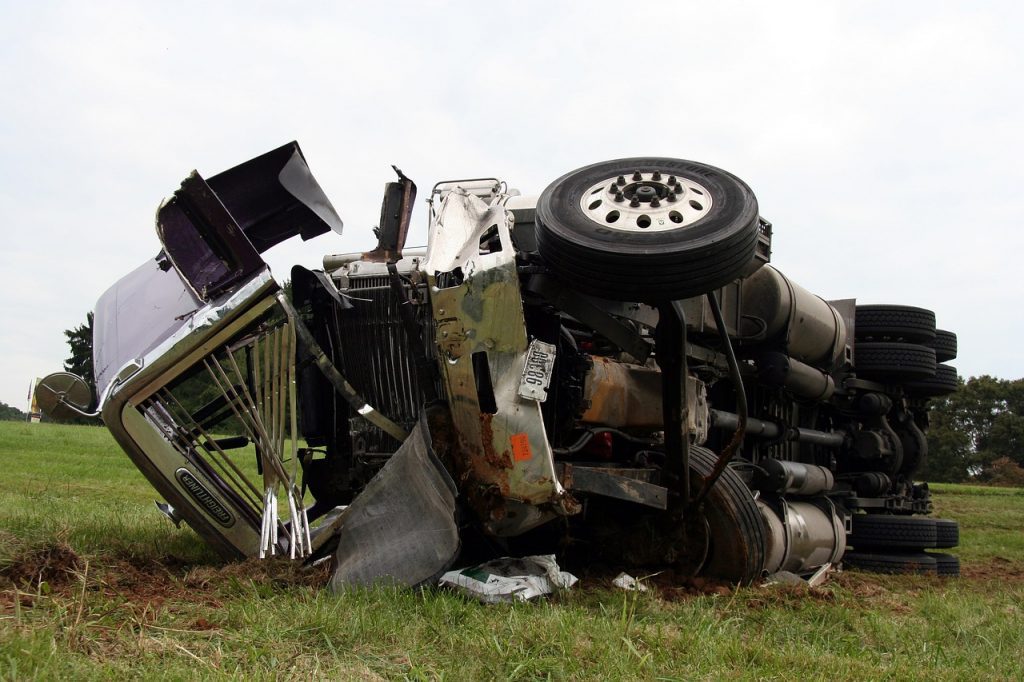
Truck accidents can result in catastrophic injuries, emotional suffering, and substantial financial burdens for the victims and their families. Understanding the intricacies of truck accident injury claims is crucial in advocating for your rights and seeking the compensation you deserve. In this comprehensive guide, we will explore the key elements of truck accident injury claims, including determining liability, potential compensation, and the importance of relying on our attorney referral service to protect your rights and expertly guide you through the legal process. Our attorney referral service is committed to connecting you with highly skilled legal professionals experienced in handling truck accident injury claims. By obtaining insights into these legal matters and leveraging the support of our accomplished attorney referral service, you can better understand the complexities of the legal process, protect your rights, and strive for the maximum compensation you deserve for your injuries and losses. 1. Determining Fault in Truck Accidents Establishing fault in truck accident cases can be more complex than other vehicle accidents due to the multiple parties and factors involved. Responsibility for a truck accident may lie with the following: The truck driver: Reckless driving, fatigue, or intoxication could result in the driver being held liable for the accident. The trucking company: Failure to enforce safety regulations, negligence in hiring or training drivers, or inadequate vehicle maintenance could lead to the company being held accountable. The truck manufacturer or parts manufacturer: Defective parts, design flaws, or inadequate safety features could result in the manufacturer being held responsible. Other entities: Road maintenance or construction companies could be held liable if poor road conditions or work zones contributed to a truck accident. To determine fault, it’s essential to gather strong evidence like police reports, eyewitness accounts, and expert testimony, and examine factors such as Federal Motor Carrier Safety Administration (FMCSA) regulations compliance. 2. Navigating Truck Accident Regulations and Compliance The FMCSA establishes regulations governing the trucking industry, and these rules can play a significant role in your truck accident injury claim: Hours of Service (HOS) regulations: These rules control how long a truck driver can operate without taking a break, aiming to prevent driver fatigue-related accidents. Vehicle maintenance and inspection standards: Ensuring that trucks meet specific safety standards and undergo regular inspections to prevent accidents caused by equipment malfunctions. Driver qualifications and training requirements: Establishing qualifications that drivers must meet and promoting adequate training for the safe operation of commercial vehicles. A knowledgeable attorney can help ensure compliance with these regulations and identify any violations that could strengthen your claim. 3. Potential Compensation for Truck Accident Victims Victims of truck accidents may be entitled to compensation for various damages, such as the following: Medical expenses: Including hospital bills, rehabilitation, and continuing care costs Lost income: Covering lost wages and potential loss of future earning capacity Pain and suffering: Addressing physical pain and emotional anguish resulting from the accident Property damage: Including repair or replacement costs for damaged vehicles and other personal property In some cases, particularly egregious behavior by the responsible party may lead to additional compensation, such as punitive damages. An experienced attorney can help assess your case and develop a claim that seeks the maximum compensation you deserve for your injuries and losses. 4. The Benefits of Working with an Experienced Attorney Navigating the complexities of truck accident injury claims demands the support of a seasoned attorney. They can assist you throughout the legal process while advocating for your best interests. Key benefits of working with a skilled attorney include the following: Thorough knowledge of regulations and laws: An attorney experienced in truck accident cases understands the specific laws governing commercial vehicles and the trucking industry, ensuring your claim addresses all relevant aspects. Comprehensive case evaluation: A seasoned attorney can assess your case’s strengths and weaknesses, offering valuable insights into potential strategies and outcomes. Strong negotiation skills: Skilled attorneys can effectively negotiate with insurance companies and other parties involved, striving to secure the best outcome on your behalf. Litigation expertise: If your case proceeds to trial, an attorney experienced in such cases can present a compelling argument in court, fighting for the maximum compensation you deserve. 5. Importance of Seeking Medical Attention Immediately After a Truck Accident Seeking medical attention promptly after a truck accident is paramount, even if injuries seem minor or non-existent at first. Several reasons underscore the significance of this immediate action: Hidden injuries: Some injuries, such as internal bleeding or traumatic brain injuries, may not manifest symptoms immediately but can have severe long-term consequences if left untreated. Legal documentation: Medical records serve as crucial evidence in establishing the extent of injuries and linking them to the accident. Delaying medical treatment could undermine the strength of your claim. Insurance requirements: Insurance companies often require timely medical treatment to consider injury claims valid. Failing to seek prompt medical attention may give insurers grounds to dispute or deny your claim. Preserving health and well-being: Prompt medical care not only addresses injuries but also mitigates the risk of complications and promotes faster recovery, improving overall health outcomes. Following the healthcare professionals’ advice and attending all necessary appointments can contribute to your recovery process and strengthen your case by demonstrating your commitment to healing. Conclusion Understanding the intricacies of truck accident injury claims and the unique aspects involved in these cases is essential for effectively navigating the legal process and pursuing the compensation you deserve for your injuries and losses. Armed with this knowledge and the support of our attorney referral service, you can confidently advocate for your rights and work toward the best possible outcome for your case. Don’t confront the hurdles of a truck accident claim by yourself. Contact Car Accident Help today and allow us to connect you with proficient personal injury accident lawyers who can aid you in comprehending your rights, maneuvering through the intricacies of the legal process, and obtaining the compensation you justly deserve.