
Recognizing and Addressing the Symptoms of Post-Traumatic Stress Disorder (PTSD) Following a Car Accident
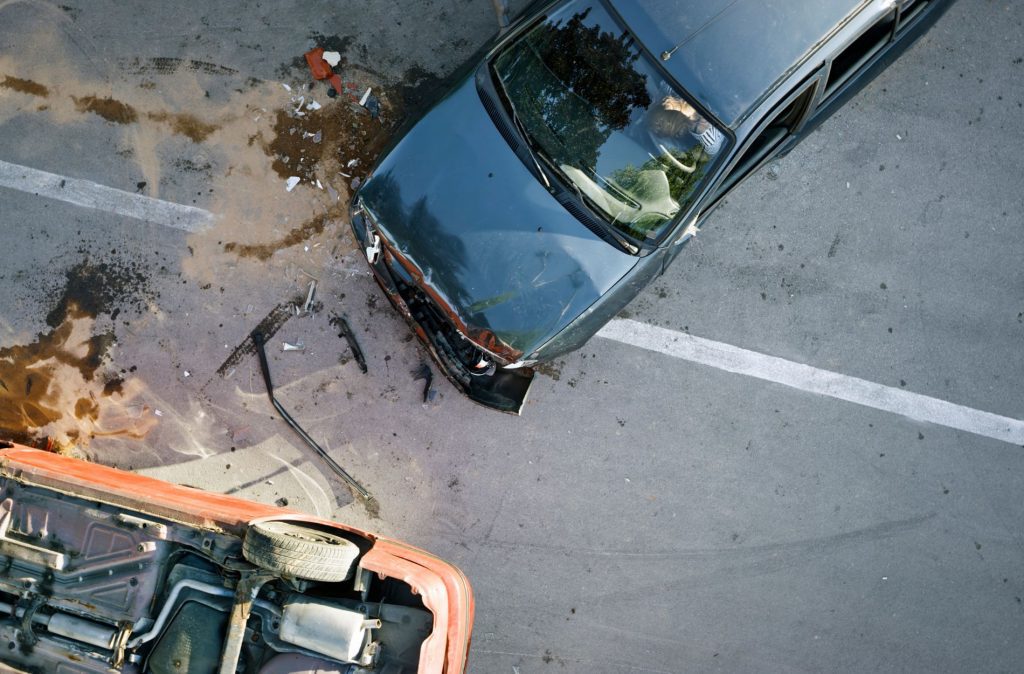
The physical and financial repercussions of a car accident are often the primary focus for both victims and legal professionals involved in accident cases. However, the psychological and emotional impact of a traumatic event, such as a car accident, should not be overlooked. Post-Traumatic Stress Disorder (PTSD) is a common, yet frequently underdiscussed, consequence for those who experience a car accident, and the long-term effects can be considerably damaging. In this article, we will explore the various symptoms of PTSD that may emerge following a car accident, discuss the importance of seeking professional help, and point out the critical role an experienced attorney can play in securing appropriate compensation for psychological damages. By understanding the potential impact of PTSD on your daily life and taking proactive measures, you can work towards recovery and secure the compensation you deserve. We will delve into the most common indicators of PTSD, such as anxiety, depression, intrusive thoughts, and sleep disturbances. Moreover, this article will address the importance of recognizing these symptoms and seeking appropriate care from mental health professionals. Early intervention is essential to providing the best possible chance for recovery and minimizing lingering effects on your overall well-being. Additionally, we will examine the process of securing compensation for the psychological impact of a car accident. An experienced attorney can help quantify your damages, negotiate with insurance companies, and represent your best interests in court, ensuring you are fairly compensated for the emotional toll of your experience. With a comprehensive understanding of PTSD symptoms and treatment options, as well as the support of a dedicated car accident attorney, you can focus on recovering and rebuilding your life in the aftermath of a life-altering accident. Recognizing and Addressing the Symptoms of Post-Traumatic Stress Disorder (PTSD) Following a Car Accident 1. Identifying the Symptoms of PTSD After a Car Accident Post-Traumatic Stress Disorder can manifest in various ways following a car accident. Knowing the signs and symptoms will help you recognize if you or a loved one is experiencing PTSD: Intrusive thoughts: Accident victims with PTSD often replay the traumatic event in their minds, experiencing vivid and unwanted memories, flashbacks, or nightmares. Anxiety and hyperarousal: PTSD can result in heightened anxiety, excessive vigilance, and exaggerated startle responses. These symptoms can cause difficulty in relaxing and a constant feeling of tension. Avoidance and emotional numbing: Individuals with PTSD may avoid situations, places, or activities that remind them of the accident, including driving or riding in a vehicle. Emotional numbing can manifest as feelings of detachment from others or a decreased interest in previously enjoyed activities. Depressive symptoms: PTSD can also lead to feelings of sadness, guilt, helplessness, or hopelessness, which can impact daily functioning and overall mental health. 2. The Importance of Seeking Professional Help for PTSD Addressing PTSD symptoms as early as possible is crucial for recovery. If you notice signs of PTSD in yourself or a loved one, seek professional help: Mental health evaluation: A mental health professional can diagnose PTSD and recommend appropriate treatment options tailored to your unique needs. Counseling and therapy: Evidence-based therapies, such as cognitive-behavioral therapy (CBT) and eye movement desensitization and reprocessing (EMDR), have been found effective in treating PTSD after car accidents. Support groups: Connecting with others who have experienced car accidents and PTSD can provide invaluable support and guidance on the emotional recovery journey. Medication: In some cases, medications such as antidepressants or anti-anxiety drugs may be prescribed to help manage PTSD symptoms. 3. The Role of an Experienced Car Accident Attorney in PTSD Compensation Claims Securing appropriate compensation for the psychological impact of a car accident requires the specialized knowledge and expertise of a skilled car accident attorney. Here are some ways an attorney can assist in your PTSD compensation claim: Assessing damages: Your attorney can work with mental health professionals to evaluate the extent of your psychological damages and calculate a fair compensation amount that factors in the long-term consequences of your PTSD. Gathering evidence: A knowledgeable attorney can collect essential evidence to support your claim, such as medical records, therapy notes, and testimony from mental health experts. Insurance negotiations: Your attorney can handle all correspondence and negotiations with insurance companies on your behalf, ensuring they consider both the physical and psychological aspects of your accident-related injuries. Legal representation: In cases that require court intervention, a skilled attorney can advocate for your rights, presenting a strong case that highlights your PTSD’s emotional and financial toll. 4. Supporting Your Recovery Beyond Compensation Although seeking compensation for PTSD damages is crucial, a comprehensive recovery plan should go beyond financial aspects. Consider the following steps to promote healing and well-being after a car accident: Self-care: Prioritize taking care of yourself physically and emotionally by maintaining a healthy lifestyle, engaging in regular exercise, getting enough sleep, and managing stress through relaxation techniques or mindfulness practices. Building a support network: Reach out to friends, family, or support groups to share your experiences and feelings regarding the accident. Connecting with others who understand your journey can make a significant difference in your recovery process. Establishing a new normal: Integrate any necessary modifications into your daily life that can support your recovery, such as therapy appointments, medical treatments, or changes in work or living arrangements. Conclusion Recognizing and addressing the symptoms of PTSD after a car accident is essential in ensuring not only a fair compensation outcome but also a path to recovery and personal well-being. By seeking professional help, working with a dedicated car accident attorney, and focusing on self-care and support, you can tackle the challenges that PTSD brings and rebuild your life following a traumatic event. By understanding the potential impact of PTSD on your daily life and taking proactive measures, you can work towards recovery and secure the compensation you deserve. With compassion, knowledge, and the right resources, we can collectively address and overcome the often-overlooked psychological toll of car accidents. Contact Car Accident Help’s accident attorney to learn more.
Navigating Motorcycle Accident Cases: Ensuring Your Rights and Compensation Are Protected

Motorcycle accidents, while less frequent than other types of road accidents, can result in more severe injuries and higher fatalities due to the increased vulnerability of motorcyclists. The aftermath of a motorcycle accident can be overwhelming, leaving victims facing not only physical and emotional trauma but also the challenges associated with proving liability, disputing insurance claims, and seeking fair compensation. Understanding the particularities of motorcycle accident cases, coupled with the assistance of a skilled attorney, is vital to ensuring that your rights are protected and that you’re able to successfully navigate the process to a favorable outcome. In this article, we’ll shed light on the distinctive aspects of motorcycle accident cases, from determining responsibility to dealing with biases and misconceptions surrounding motorcyclist behavior. We’ll also discuss the importance of taking immediate steps after an accident, such as seeking medical attention, gathering evidence, and contacting law enforcement. With this information, you’ll be well-equipped to confront the legal challenges that may arise as you pursue justice and compensation for your injuries and losses. Furthermore, we’ll delve into the crucial role a dedicated car accident attorney plays in advocating for your rights and guiding you through the complexities of your case. From evaluating damages and negotiating with insurance companies to building a compelling case in court, an experienced attorney can be instrumental in securing the compensation you need to recover and rebuild your life after a motorcycle accident. By understanding the unique challenges presented by motorcycle accident cases and working with a knowledgeable legal professional, you can assert your rights and access the financial resources necessary to support your recovery and regain control of your life. Navigating Motorcycle Accident Cases: Ensuring Your Rights and Compensation Are Protected 1. Unique Challenges in Motorcycle Accident Cases Motorcycle accident cases present distinct challenges that set them apart from other types of road accidents: Determining liability: Proving fault in a motorcycle accident may be more complicated than other accidents, as it often involves unique factors such as lane-splitting, road hazards, and the higher rate of single-vehicle accidents among motorcyclists. Prejudice and misconceptions: Motorcyclists are sometimes unfairly perceived as reckless or aggressive, which may influence law enforcement, insurance companies, and jurors. This can create an added challenge in presenting your case and securing fair compensation. Severe injuries: Motorcycle accidents frequently result in serious injuries, leading to expensive medical costs, extensive rehabilitation, and long-term physical and emotional consequences. Insurance coverage: Motorcycle insurance policies may differ significantly from standard car policies, and understanding the nuances of your coverage is crucial to maximizing compensation. 2. Immediate Steps to Take After a Motorcycle Accident Taking quick and decisive action following a motorcycle accident is crucial to protecting your rights and building a strong case: Seek medical attention: Your first priority should be to obtain medical care for your injuries. This ensures that you receive appropriate treatment and establishes a clear connection between the accident and your injuries. Preserve evidence: Document the accident scene as thoroughly as possible, including photographs of the vehicles, road conditions, skid marks, and injuries. Collect contact information from witnesses, as their testimony can strengthen your case. File a police report: Contacting law enforcement is essential to obtain an official account of the accident. Be sure to provide accurate details without admitting fault or speculating about the cause of the accident. Consult with an attorney: Speaking with an experienced car accident attorney as soon as possible will ensure that you receive proper legal guidance and have your rights protected throughout the case. 3. The Role of an Experienced Car Accident Attorney Working with a skilled car accident attorney is essential for successfully navigating the complexities of a motorcycle accident case: Assessing damages: An attorney can help you evaluate the full scope of your damages, including medical bills, lost income, future medical expenses, pain and suffering, and other losses related to the accident. Countering stereotypes: Your attorney can work to counter potential bias or misconceptions about motorcyclists by presenting a clear and compelling case supported by evidence and expert testimony. Insurance negotiations: An experienced attorney can help you navigate the complex world of insurance claims. They’ll know how to negotiate with insurance adjusters to ensure you receive the compensation you deserve. Litigation support: If your case goes to court, your attorney will represent your interests, presenting a strong argument and advocating for the maximum compensation allowable by law. 4. Focus on Physical and Emotional Recovery After a Motorcycle Accident In addition to addressing the legal and financial aspects of your case, it’s essential to prioritize your physical and emotional recovery after a motorcycle accident: Consistent medical care: Adhering to your medical treatment plan can expedite your recovery and demonstrate the severity of your injuries to insurance companies and juries alike. Emotional support: Connecting with friends, family, and support groups will aid your emotional recovery by providing an outlet for discussing your experiences, feelings, and concerns. Professional help: Consider seeking therapy or counseling to address potential issues such as depression, anxiety, or post-traumatic stress disorder resulting from the accident. Gradual reintegration: As you recover, ease back into your daily routines and activities, taking care to avoid overexertion or undue stress. Conclusion Motorcycle accident cases present unique challenges and complexities that require a thorough understanding of both legal issues and the practical steps necessary to protect your rights and secure compensation. Armed with this knowledge and the support of an experienced car accident attorney, you can confidently navigate the legal process and focus on your physical and emotional recovery. Taking proactive measures, countering stereotypes, and ensuring that your legal rights are represented will help you achieve the best possible outcome in your motorcycle accident case. By prioritizing your health and well-being, you can regain control and rebuild your life after this challenging experience, resilient and determined to face whatever the future may hold. Contact Car Accident Help’s accident attorney to learn more.