
Decoding Auto Insurance: A Guide to Dealing with Claims after a Car Accident
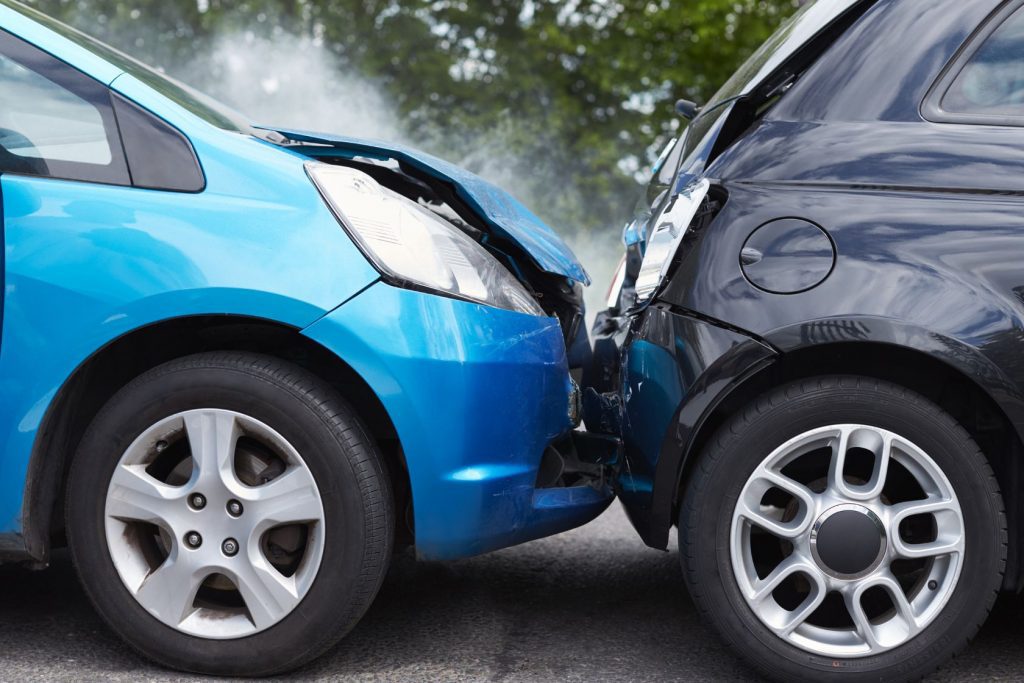
Dealing with the aftermath of a car accident can be a labyrinthine process, fraught with complexities and uncertainties. One of the most challenging aspects is undoubtedly navigating the intricate maze that is insurance claims. It’s an essential yet daunting task, requiring both patience and a deep understanding of your policy. On that note, this guide aims to demystify the process, providing insightful tips and strategies to help you efficiently and effectively manage insurance claims post-accident. We explore the requisite steps, potential pitfalls, and key considerations to ensure you’re well-equipped to handle the situation, optimizing your chances of a favorable outcome. This isn’t an easy terrain to tread, but with the right approach and knowledge, it can be navigated with less stress and more confidence. Simplifying Car Insurance Claims: A Walkthrough for Accident Victims 1. Promptly Report the Accident to Your Insurance Company Reporting the accident to your insurance company should be one of the first steps you take following a car accident. Prompt notification is essential, as waiting too long could raise suspicions about the validity of your claim or even breach your insurance policy terms. Nonetheless, exercise caution when speaking with your insurer, as statements made during these conversations can impact your claim. Offer only necessary information without admitting fault or providing your interpretation of the accident. 2. Collect and Organize Evidence Solid evidence is crucial when navigating insurance claims and negotiating a fair settlement. Ensure comprehensive documentation of the accident by gathering the following: Photographs: Take pictures of the accident scene, damage to vehicles, visible injuries, and any contributing factors like road debris or poor lighting. This evidence can help establish liability and the extent of damages. Police Report: Obtain a copy of the police report to support your insurance claim. This document often includes important details about the accident, such as the responding officer’s assessment of fault and witness statements. Medical Records: Preserve all medical documentation related to your injuries, including emergency care, treatments, and therapy sessions. This will help establish the link between the accident and your injuries, as well as justify medical expenses for which you seek compensation. Expense Records: Keep all receipts and invoices for expenses incurred as a result of the accident, such as property damage repairs, transportation costs, and any other related out-of-pocket expenses. 3. Be Cautious in Your Communications Being mindful of your communications with insurance adjusters is paramount to protect your claim. Consider the following tips: Avoid providing a recorded statement without consulting your attorney. Insurance adjusters may use your words against you to minimize your compensation or deny liability. Refrain from signing any documents or agreeing to a settlement without first discussing it with your lawyer. Once you accept a settlement, you may be unable to pursue further compensation. Be concise and consistent in your descriptions of the accident and resulting injuries. Inconsistent or embellished statements can undermine the credibility of your story and damage your claim. 4. Seek the Assistance of a Car Accident Attorney Hiring an experienced car accident attorney can greatly improve your chances of successfully navigating the insurance claims process. They can offer several key advantages: Communication: An attorney can handle all communications with the insurance company on your behalf, reducing the risk of misstatements that may jeopardize your claim. Evidence Gathering: A lawyer can help gather and organize vital evidence to substantiate your claim, including conducting an independent investigation and consulting with relevant experts. Negotiation: Skilled attorneys have experience negotiating with insurance adjusters and can advocate for your best interests to secure a fair settlement. Litigation: If a satisfactory settlement cannot be reached, your attorney can take the case to court and present a strong case for your compensation. By partnering with a qualified attorney, you can focus on your recovery while your legal representative manages the insurance claim process. Car Accident? How to Smartly Navigate Your Insurance Claim Navigating insurance claims after a car accident can be a daunting and complex task. By promptly reporting the accident, collecting and organizing evidence, communicating cautiously, and seeking the assistance of a car accident attorney, you can better protect your rights and secure maximum compensation. Remember, the insurance company’s priority may not always align with your best interest, but by understanding the claims process and employing these strategies, you can navigate this challenging landscape with confidence and success. Get in touch with our accident claim lawyers from Car Accident Help!
Investing in Safety: Key Features to Look for in Your Next Car
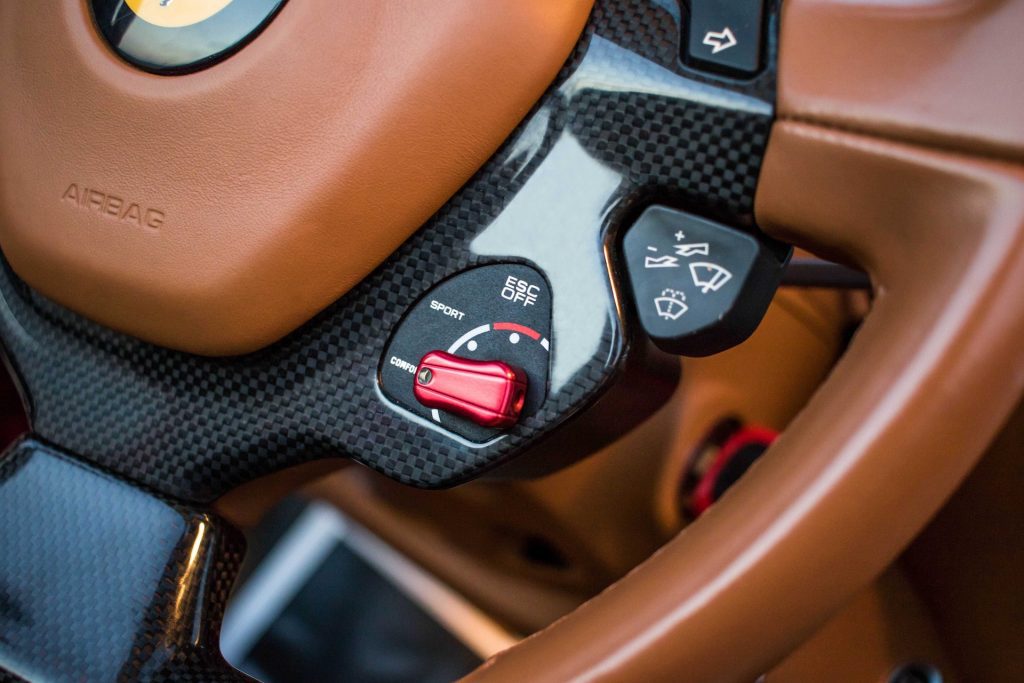
As a prospective car buyer, your paramount focus is likely on the vehicle’s performance, aesthetics, and price. However, considering the rising statistics of road accidents, it is crucial to prioritize safety features over other factors. Your vehicle should not just be a means of transportation, but a protective cocoon that can safeguard you and your loved ones in case of unforeseen circumstances. With that in mind, this article will enlighten you about the top safety features you should look for when buying a car to minimize accident risks. From advanced braking systems to high-tech sensors and warning systems, we will explore an array of safety measures that modern vehicles offer. Remember, a car equipped with state-of-the-art safety features not only ensures your well-being but also contributes to a safer driving environment for everyone on the road. So, let’s delve into the intricate world of automotive safety technology to help you make an informed and secure vehicle purchase. Top Safety Features to Look for When Buying a Car to Minimize Accident Risks 1. Advanced Driver Assistance Systems As technology continues to evolve, an increasing number of vehicles feature Advanced Driver Assistance Systems (ADAS) to help you stay safe on the road. Prioritize cars equipped with the following technologies: Adaptive cruise control: This system automatically adjusts your vehicle’s speed to maintain a safe distance from the traffic ahead, thereby reducing the risk of rear-end collisions. Lane-keeping assist: By monitoring your position within the lane, this feature alerts and even assists you in steering if your vehicle starts drifting unintentionally, helping to avoid accidents caused by inattention or fatigue. Automatic emergency braking (AEB): AEB can detect potential collisions with vehicles, pedestrians, or obstacles and automatically apply the brakes if the driver fails to react in time. This function is particularly valuable in preventing low-speed crashes in urban areas. 2. Passive Safety Features Passive safety features are designed to minimize injury and damage in the event of a collision. The following features are essential when choosing your next car: Airbags: Ensure your vehicle is equipped with a comprehensive airbag system, including front, side, and curtain airbags. This provides protection for occupants in various types of collisions, such as frontal impacts, side impacts, or rollovers. High-strength steel frame: A car built with high-strength steel materials can absorb and dissipate the energy from a collision more effectively, thus decreasing the risk of injury to occupants. Crumple zones: These strategically-designed areas of the car’s structure collapse during an impact, absorbing the force of the collision and reducing the risk of the passenger compartment being crushed. 3. The Effect of Vehicle Safety Features on Insurance and Legal Aspects The safety features of your vehicle can impact your insurance premiums, personal injury claims, and accident liability: Insurance premiums: Cars equipped with advanced safety features often qualify for lower insurance rates, as they are less likely to be involved in an accident or result in severe claims. Personal injury claims: If you’re injured in an accident, the presence of adequate safety features can affect your compensation claim. For instance, an attorney may argue that your injuries would have been less severe had you worn a seatbelt or been in a car equipped with adequate airbags. Accident liability: When determining fault in a collision, a vehicle’s safety systems can play a role. For example, if your car’s AEB fails to engage and causes a crash, the manufacturer may share liability for the accident due to a defect in their product. 4. Balancing Safety and Other Considerations When Buying a Car While safety should be a top priority when selecting a vehicle, striking a balance with other factors is vital to make the best choice for your needs and lifestyle: Budget considerations: Appraise your financial situation and determine the extent to which you can invest in a vehicle with top-tier safety features. Be prepared to compromise on optional amenities or even the car’s overall cost to accommodate your safety priorities. Family and lifestyle needs: Consider your passengers’ safety, especially if you have children or elderly family members. They may require specific safety equipment or accessibility features. Also, assess the vehicle’s size and storage capacity in relation to your family’s requirements. Performance and fuel efficiency: Determine the balance you wish to strike between your vehicle’s performance and its safety features. While high-performance vehicles may offer impressive acceleration and control, they may not always provide the highest level of safety. On the other hand, prioritize vehicles that combine beneficial safety features along with good fuel efficiency for cost-saving benefits in the long run. Exploring the Most Essential Safety Features in Today’s Cars Your vehicle’s safety features play a critical role in preventing accidents and minimizing the severity of injuries during a collision. By understanding the various safety technologies available, from advanced driver assistance systems to passive safety features, you can make a well-informed decision on your next car purchase. When shopping for a vehicle, consider the effects of its safety features on insurance premiums, personal injury claims, and accident liability. By doing so, you can appreciate the full extent to which prioritizing safety can benefit you in the long term. Always be sure to balance your safety priorities with other factors, such as budget, family needs, performance, and fuel efficiency, to select a vehicle tailored to your unique requirements. With the right safety features and knowledge in place, you’ll be better equipped to face the challenges of the road and minimize the likelihood of an accident, providing you and your loved ones with a secure and enjoyable driving experience. But if you ever find yourself in an accident, don’t hesitate to connect with the accident claim lawyers from Car Accident Help!