
The Legal Implications of Admitting Fault in a Car Accident
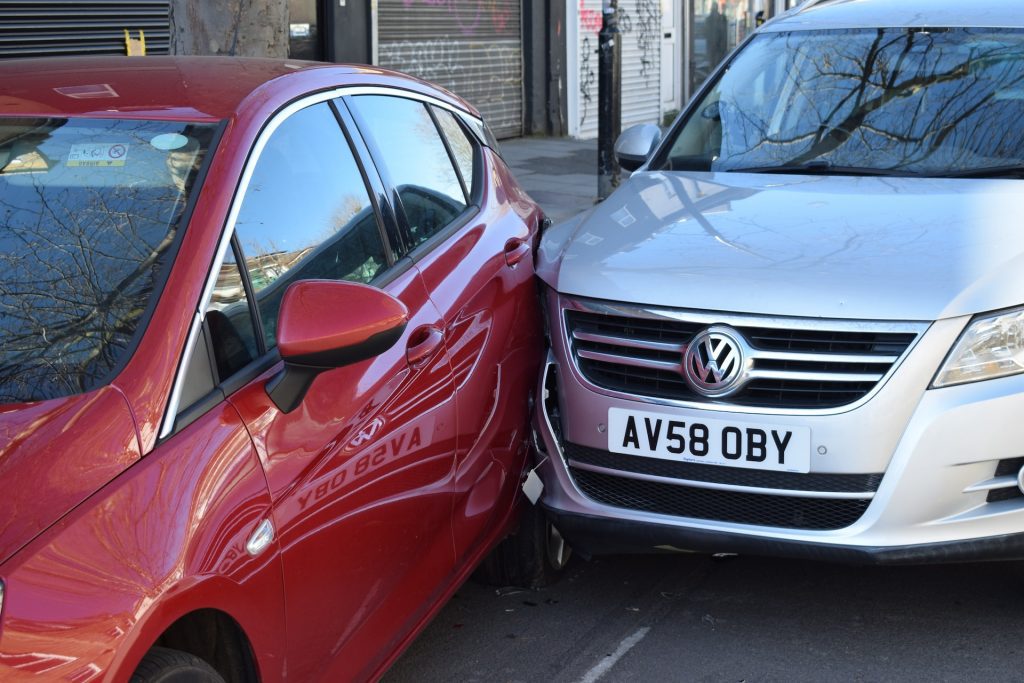
Car accidents are a common occurrence on the roads, and they can be caused by various factors such as driver negligence, poor weather conditions, faulty car parts, and many others. Regardless of who caused the accident, admitting fault is a serious matter that can have legal and financial consequences. In this article, we will discuss what is considered admitting fault in a car accident. What Is Admitting Fault? Admitting fault means taking responsibility for causing the car accident. This can be done verbally or in writing, and it can be intentional or unintentional. When you admit fault, you are essentially saying that you are responsible for the damages and injuries that resulted from the accident. Admitting fault can have serious consequences, especially if you were the one who caused the accident. It can affect your insurance rates and ability to recover damages from the other party and be used against you in court. What Is Not Admitting Fault? Not admitting fault means you are not taking responsibility for causing the accident. This can be done verbally or in writing, and it can be intentional or unintentional. It is important to note that not admitting fault does not mean that you are denying responsibility for the accident. It simply means that you only admit to causing it once all the facts have been gathered. When you are involved in a car accident, you must be careful about what you say or do. Anything you say can be used against you, and it can have severe legal and financial consequences. What Are Some Examples of Admitting Fault? Admitting faults can take many forms, and awareness of them is essential. Here are some examples of admitting fault: “I’m sorry I didn’t see you.” “I know I was speeding, and I apologize.” “I wasn’t paying attention, and I hit your car.” “I was texting while driving, and I caused the accident.” These are all examples of admitting fault, and they can be used against you in a court of law or when dealing with insurance companies. What Should You Do After a Car Accident? If you are involved in a car accident, there are several things you should do to protect yourself and your interests. Here are some steps to follow: Check for injuries: First, you should check yourself and others for injuries. If anyone is hurt, call 911 immediately. Move to a safe location: If possible, move your car to a safe location away from traffic. This will prevent further accidents and injuries. Exchange information: Exchange information with the other driver, including their name, address, phone number, insurance information, and license plate number. Gather evidence: Take pictures of the accident scene, including the damage to your car and the other car. Contact your insurance company: Contact your insurance company as soon as possible to report the accident and provide them with all the necessary information. Speak to a car accident attorney: If you are injured or have significant damage to your car, speaking to an attorney who can advise you on your legal rights and options may be a good idea. What Should You NOT Do After a Car Accident? There are also several things you should not do after a car accident. Here are some things to avoid: Admit fault: Do not admit fault or apologize for the accident, even if you think you may have caused it. Talk to the other driver’s insurance company: Do not speak to the other driver’s insurance company without consulting with your insurance company or an attorney. Sign any documents: Do not sign any documents or agreements without consulting with your insurance company or an attorney. Discuss the accident on social media: Do not post details of the accident on social media, as anything you say can be used against you. Conclusion Admitting fault in a car accident can have severe legal and financial consequences. It is essential to be careful about what you say or do after an accident and to always consult with your insurance company or an auto accident lawyer. By following the steps outlined above, you can protect yourself and your interests in the event of a car accident. Don’t face the aftermath alone if you’ve been involved in a car accident. Our team of experienced car accident attorneys at Car Accident Help is here to help you navigate the complex legal process and get the compensation you deserve. Contact us today to schedule a free consultation, and let us fight for your rights. Call us now for car accident help!
Suing Without a Police Report: What You Need to Know

When you are involved in an accident, one of the first things you should do is call the police and file a report. However, there are situations where a police report is unavailable, and you may wonder if you can still sue or file a claim. This article will explore whether you can sue and file a claim without a police report. When Can You Sue Without a Police Report? Although it may seem like a police report is required to file a lawsuit, this is not always true. In fact, there are certain circumstances in which you can sue for a car accident without a police report. First, if the other driver is clearly at fault for the accident, then you may be able to sue without a police report. If the other driver was speeding, talking on their phone, or otherwise distracted, it could prove their negligence without a police report. Additionally, if evidence from witnesses or video footage can support your claim, this may be enough to file a lawsuit. Moreover, if the other party is uninsured or underinsured, you may be able to sue without a police report. In this case, proving who is at fault may be more challenging; however, if you have evidence of the other driver’s negligence or recklessness, this can be enough to file a lawsuit. Another situation is if the damages are minor and the other party is willing to pay for the damages out of pocket. In this case, you may need to provide evidence of the damages, such as car repair or medical bills. Finally, if the other driver was driving under the influence of alcohol, you may be able to sue without a police report. In this case, you may need evidence of the other driver’s intoxication, such as eyewitness accounts, video footage, or a Breathalyzer test result. As you can see, there are certain circumstances in which you can sue for a car accident without a police report. Having a police report can make it easier to prove fault and damages, so it is best to obtain one if possible. If you have been involved in an accident and have questions about your legal rights and options, speaking with an experienced accident law firm who can help is essential. When Can’t You Sue Without a Police Report? While there are situations where you can sue without a police report, there are also situations where a police report is necessary. Here are some situations where you may not be able to sue without a police report: There were injuries: If injuries resulted from the accident, a police report is necessary to document the extent of the injuries and the medical treatment required. There is a dispute over who was at fault: If there is a dispute over who was at fault for the accident, a police report can help determine liability and avoid a lengthy legal battle. Significant property damage: Major damages, such as a total loss of a vehicle, require a police report to document the damage’s extent and the property’s value. The other driver is uninsured: A police report is necessary to document the accident and ensure you receive the compensation you are entitled to. What Should You Do If There Is No Police Report? If there is no police report, there are several steps you can take to protect yourself and your interests. Here are some things to do: Gather evidence: Take photographs of the accident scene, including the vehicle damage and any injuries. Also, get contact information from any witnesses who saw the accident. Contact your insurance company: Provide your insurance company as soon as possible to report the accident and tell them all the necessary information. Seek medical attention: If you were injured in the accident, seek medical attention immediately and keep all medical records. Consult with an attorney: If you are considering suing or filing a claim, consult a personal injury accident lawyer who can advise you on your legal rights and options. Conclusion A police report is an important document that can help determine liability and ensure all parties receive the compensation they are entitled to. While it is not always necessary to have a police report to sue or file a claim, it is essential to gather as much evidence as possible to support your case. If there is no police report, take the necessary steps to protect yourself and your interests, and consider consulting with injury accident lawyers. Hiring skilled injury accident lawyers will enable you to maximize the value of your claim and safeguard your legal rights. Do not stress dealing with insurance companies, lost pay, or medical expenses. Call us at 619-782-6214 for Car Accident Help!