
When Is It Necessary to See a Doctor After a Car Accident?

Car accidents are common, and they can happen to anyone at any time. Even if the accident seems minor, it is important to seek medical attention. Many people wonder how long they must go to a doctor after a car accident. This article will answer that question and explain why seeking medical attention is critical after an accident. The Importance of Seeking Medical Attention after a Car Accident Car accidents can cause significant injuries, even if they seem minor at first. Whiplash, concussions, and internal injuries are potential injuries that can result from a car accident. Some injuries may not present symptoms immediately, but they can worsen over time if left untreated. Seeking medical attention after an accident can help diagnose and treat any injuries promptly. Additionally, seeking medical attention after an accident is important for legal purposes. If injuries are not documented, it can be difficult to prove that they were caused by the accident. This can make receiving compensation for medical expenses, lost wages, and other damages challenging. When to Seek Medical Attention after a Car Accident It is recommended that anyone involved in a car accident seek medical attention as soon as possible. However, there are a few specific scenarios when seeking medical attention is of utmost priority. These include: If there is visible damage to the vehicle or if the accident is severe If there is any pain or discomfort, even if it seems minor If there is any loss of consciousness, confusion, or disorientation If there is any bleeding or apparent injury In general, it is better to be safe than sorry when seeking medical attention after a car accident. Even if there are no visible injuries or symptoms, getting checked out by a medical professional is still a good idea. The Statute of Limitations for Seeking Medical Attention after a Car Accident People may sometimes not realize they were injured in a car accident until days, weeks, or months later. In these situations, seeking medical attention and compensation for injuries is still possible. However, a statute of limitations exists for filing a claim after a car accident. The statute of limitations varies by state, but in general, it is two to three years from the date of the accident. This means individuals have two to three years to file a claim and seek compensation for injuries sustained in the accident. However, one must note that waiting too long to seek medical attention can make it more difficult to prove that the accident caused the injuries. Conclusion Seeking medical attention as soon as possible after a car accident is very important. Doing so will help ensure that any injuries are diagnosed and treated promptly and provide documentation for legal purposes. If you are unsure whether to seek medical attention after a car accident, it is best to err on caution and get checked out. Remember, there is a statute of limitations for filing a claim after a car accident, so you must seek medical attention and legal advice as soon as possible. Car Accident Help is one of the best car accident law firms in the US. We will help you get the most out of your case and protect your legal rights. Contact us today!
How to Seek Compensation for Lost Wages in Car Accidents
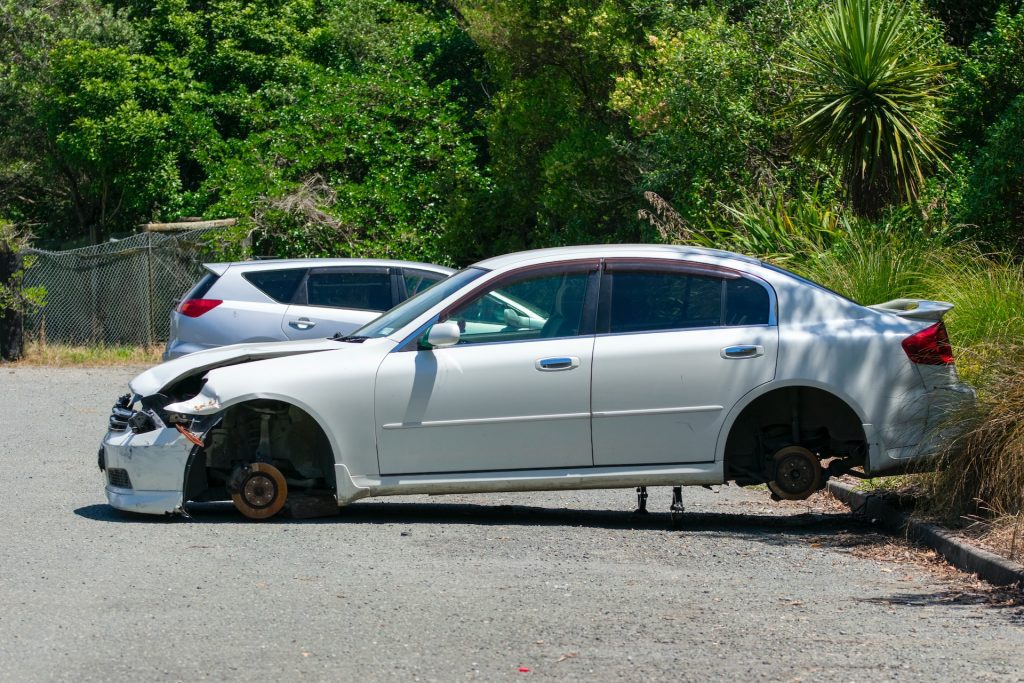
Car accidents can be devastating, both physically and financially. In addition to medical expenses and property damage, many accident victims face lost wages due to time off work. If you have been injured in a car accident and have had to miss work. As a result, you may be wondering whether you can be reimbursed for your lost wages. The short answer is yes, you may receive compensation for lost wages in the wake of a car accident. However, the process can be complicated, and the amount of payment you receive will depend on various factors. Here are some key things to keep in mind if you are seeking reimbursement for lost wages after a car accident: Understanding Personal Injury Protection (PIP) Insurance If you live in a no-fault state, you may be covered by personal injury protection (PIP) insurance, which is designed to cover medical expenses and lost wages in case of a car accident, regardless of who was at fault. Some states require drivers to have PIP insurance, while others offer it as an optional add-on. With PIP insurance, you can receive reimbursement for a part of your lost wages up to a certain limit. Make sure you understand the PIP policy’s terms and what it covers. However, note that PIP insurance typically only covers a portion of your lost wages, and the exact amount may vary depending on your circumstances. Filing a Claim with the At-Fault Driver’s Insurance You may file a claim with the at-fault driver’s insurance company when you do not have PIP insurance or when your lost wages exceed the limits of your policy. To do so, you will need to provide evidence of your lost wages, such as pay stubs or a letter from your employer. Bear in mind that some insurance companies are typically motivated to pay out as little as possible, so it may be in your best interest to work with a personal injury attorney who can help you negotiate a fair settlement. Calculating Lost Wages You will need to calculate your actual losses to determine the amount of compensation you are entitled to for lost wages. This may include: The number of hours you missed from work Your hourly wage or salary Any bonuses or overtime pay you missed out on The value of any sick or vacation time you had to use as a result of the accident Keep detailed records of your lost wages, including pay stubs, tax returns, and any correspondence with your employer. Proving Lost Wages To prove lost wages, you must provide documentation showing how much money you would have earned if you had not been injured. This documentation may involve the following: A letter from your employer verifying the number of hours you missed and your hourly wage or salary Documentation of any bonuses or overtime pay you missed out on A doctor’s note verifying that you were unable to work due to injuries sustained in the accident Any other relevant documentation, such as emails or text messages from your employer Since most insurance companies will likely scrutinize your claim for lost wages, provide as much evidence as possible to support your case. Final Thoughts If you have been injured in a car accident and have lost wages as a result, take the necessary steps to file a claim with the responsible party’s insurance company. Whether you are covered by PIP insurance or need to file a claim with the at-fault driver’s insurance company, keep detailed records of any missed work and obtain documentation from your employer and healthcare providers to support your claim. Working with an auto accident lawyer at Car Accident Help can ensure your rights are protected and you receive the compensation you deserve. That way, you can focus on your recovery and move forward from this difficult experience. Call us at 619-782-6214 for more information!